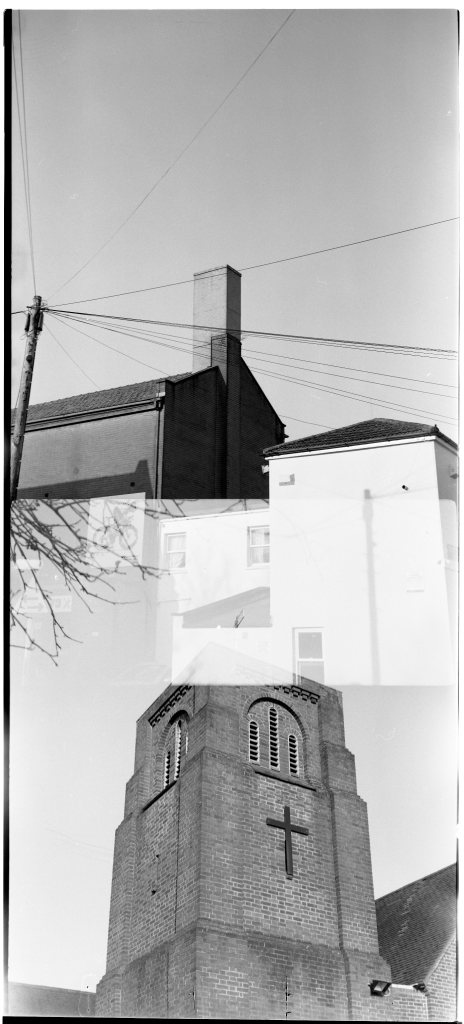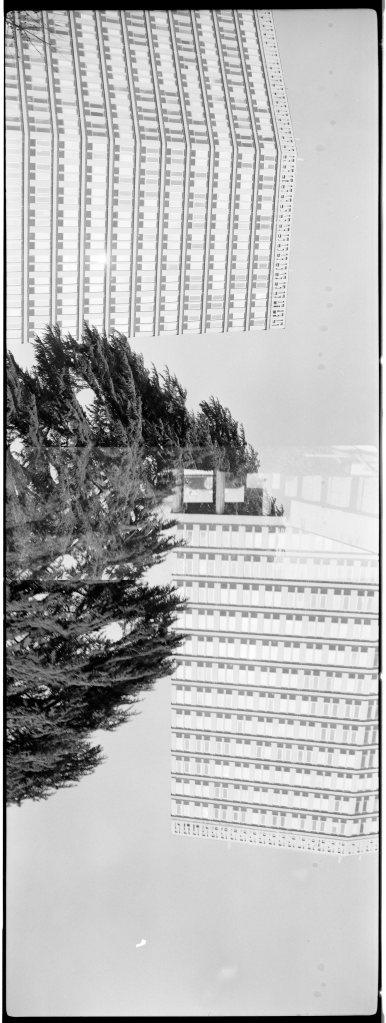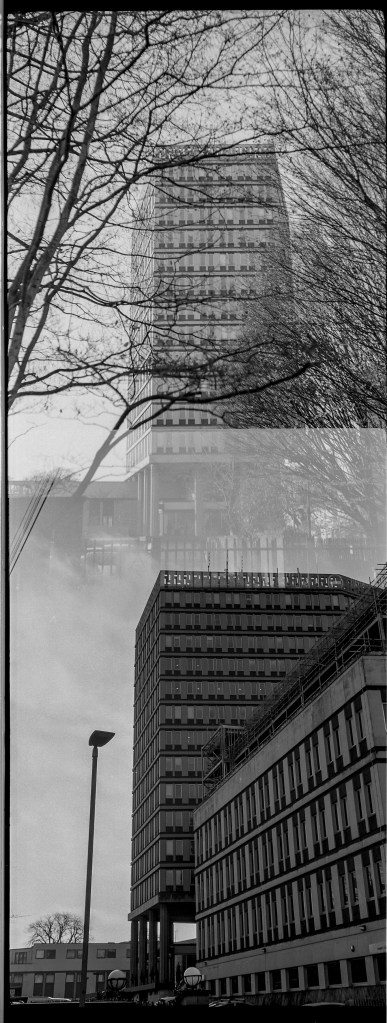
Final Images and Reflection

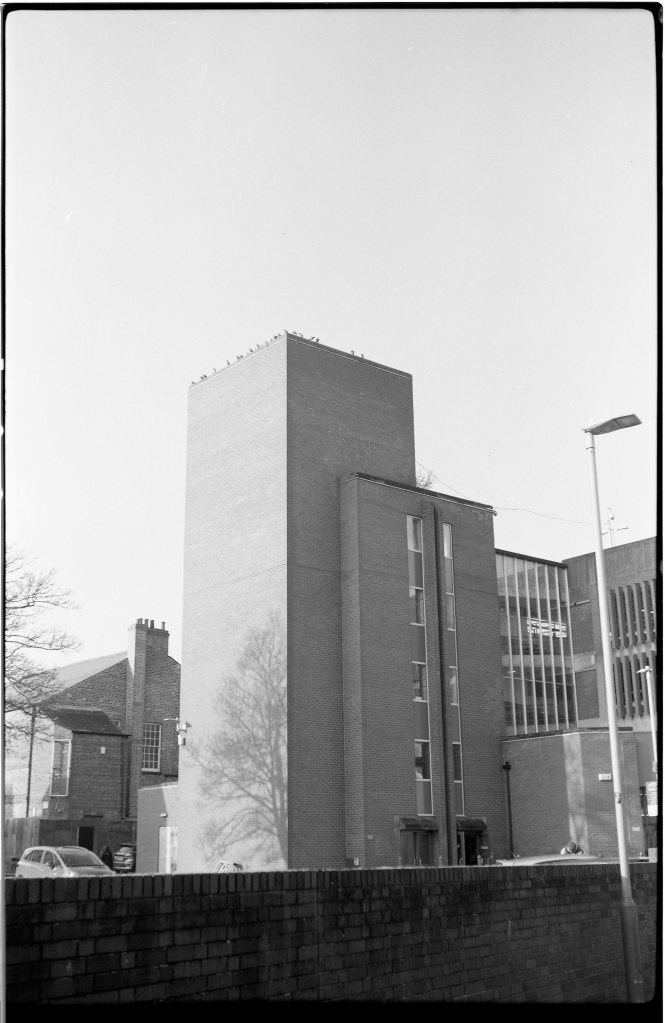
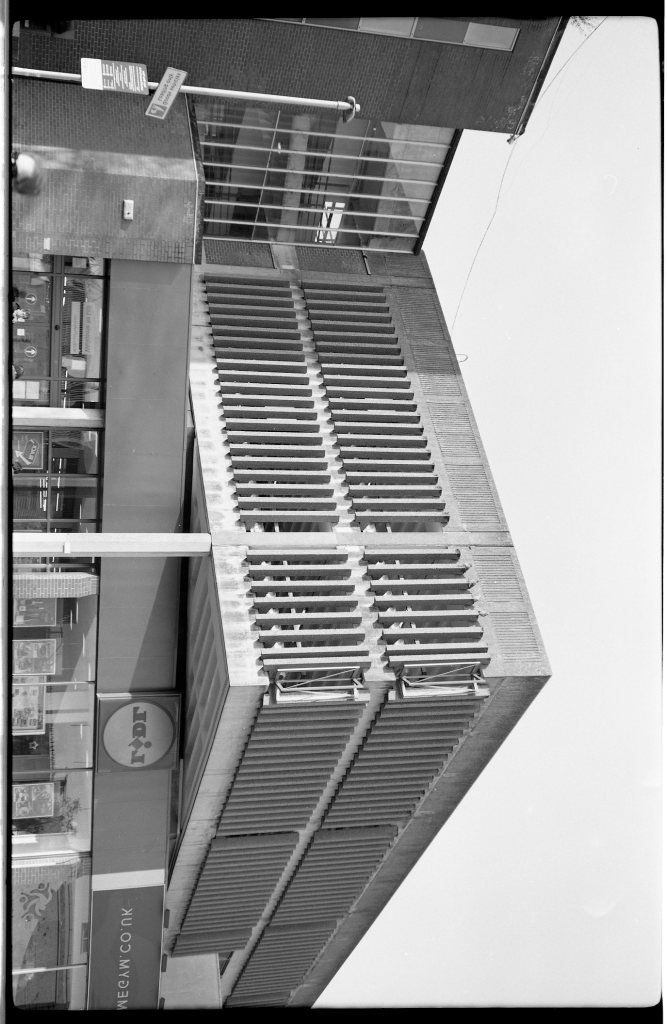
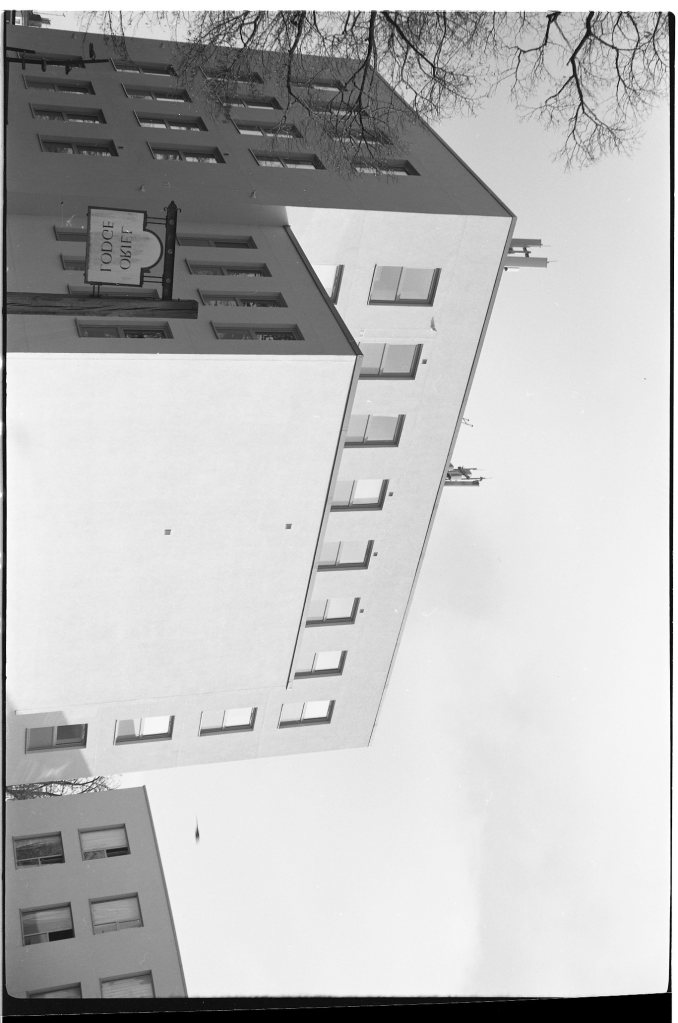
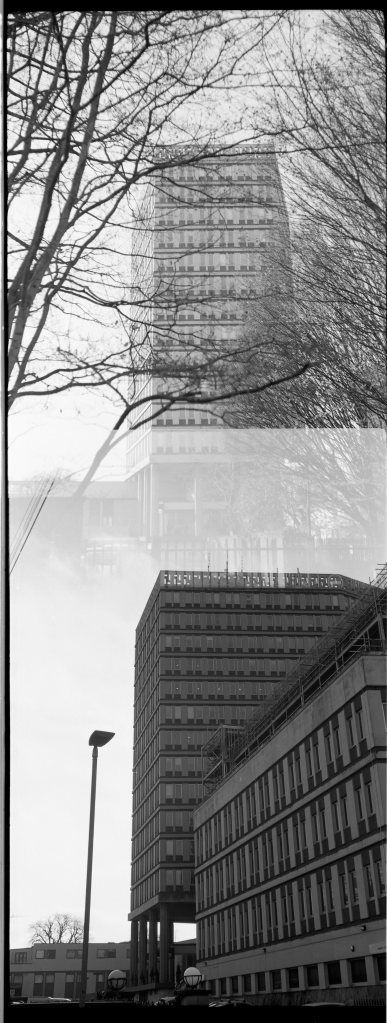
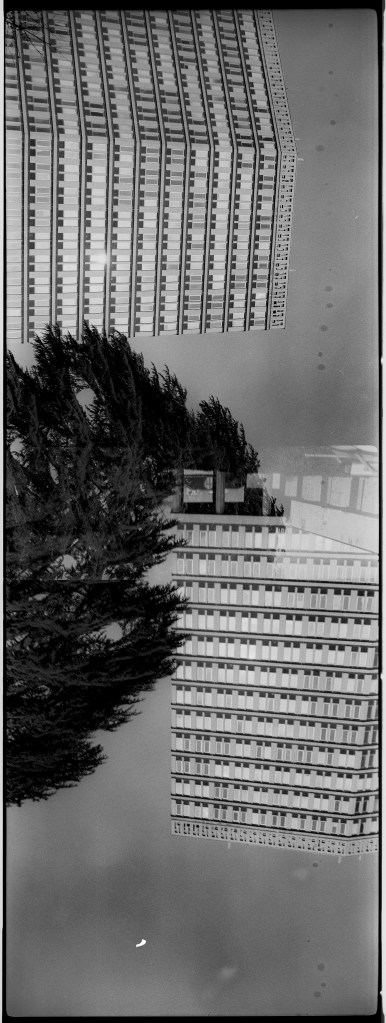
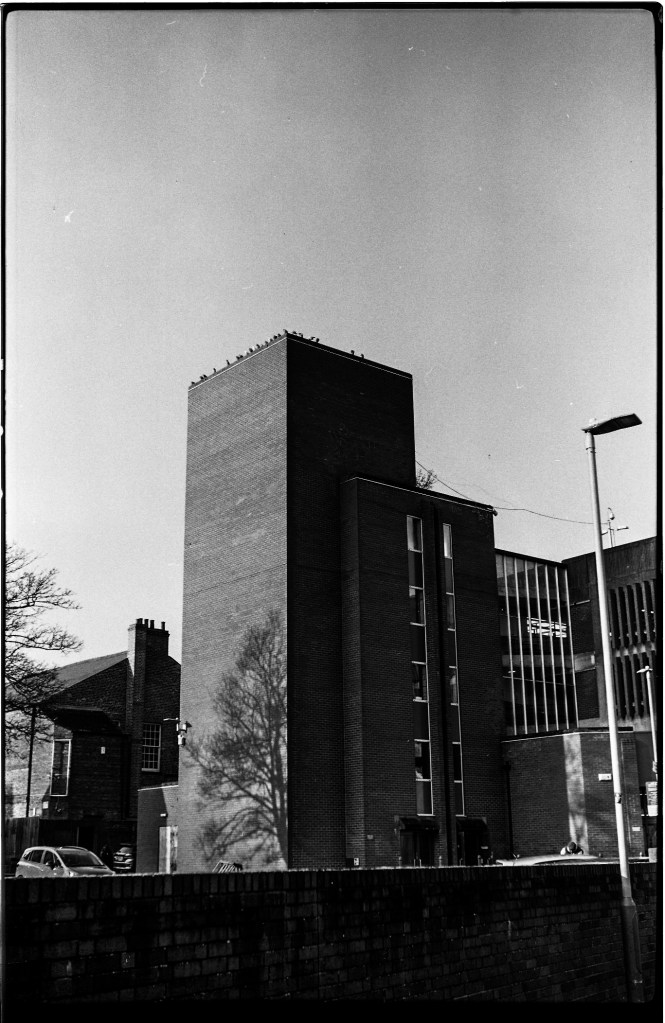
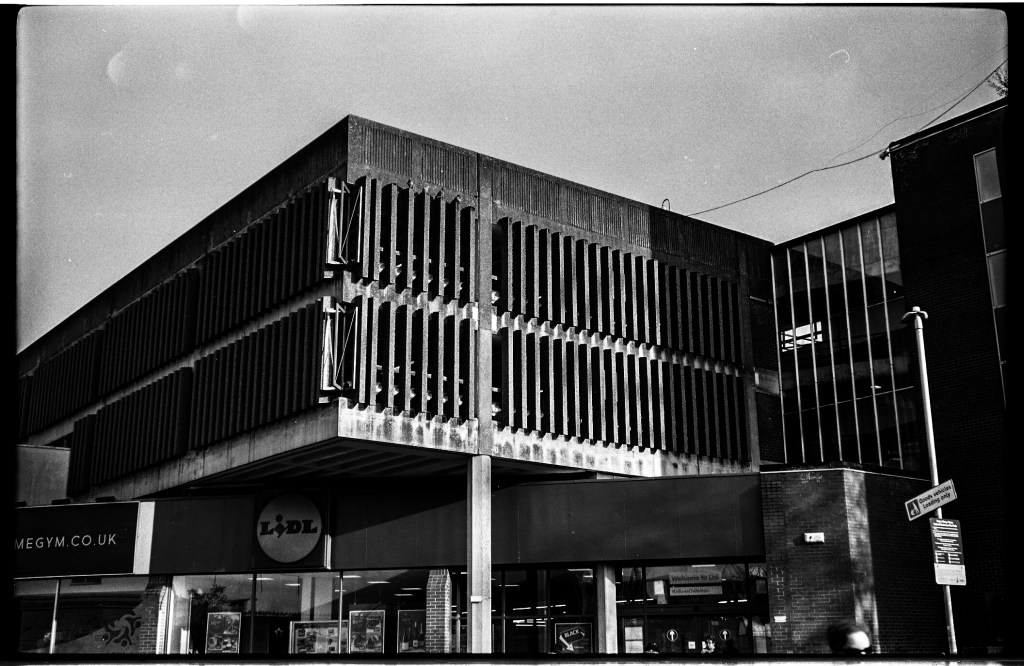
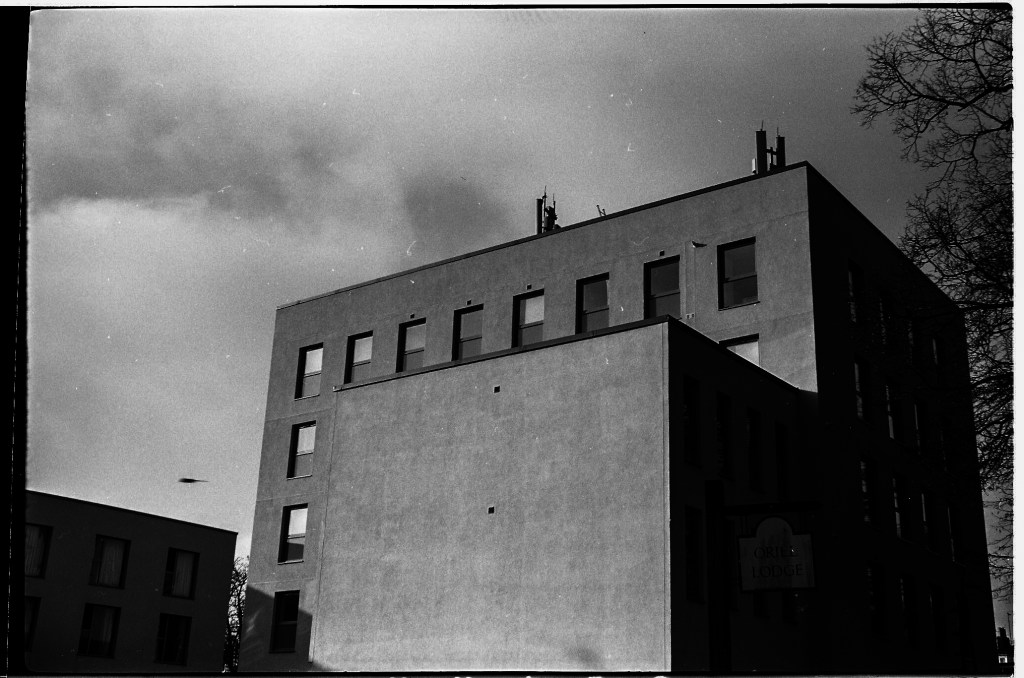
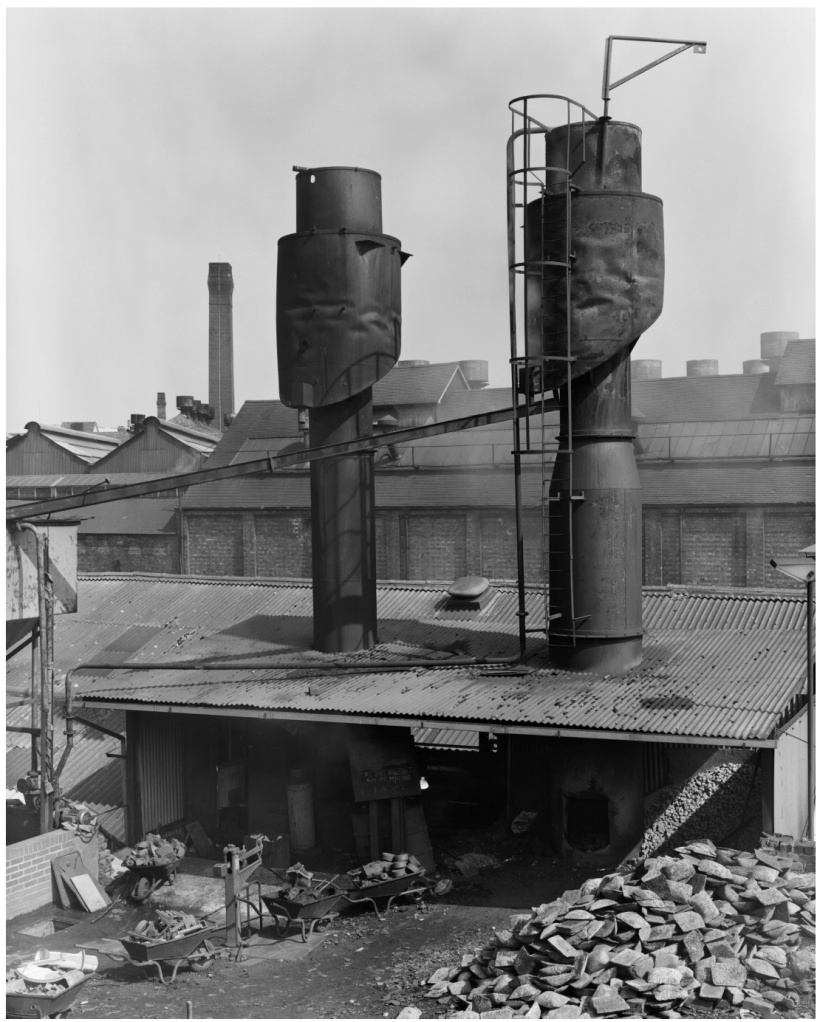
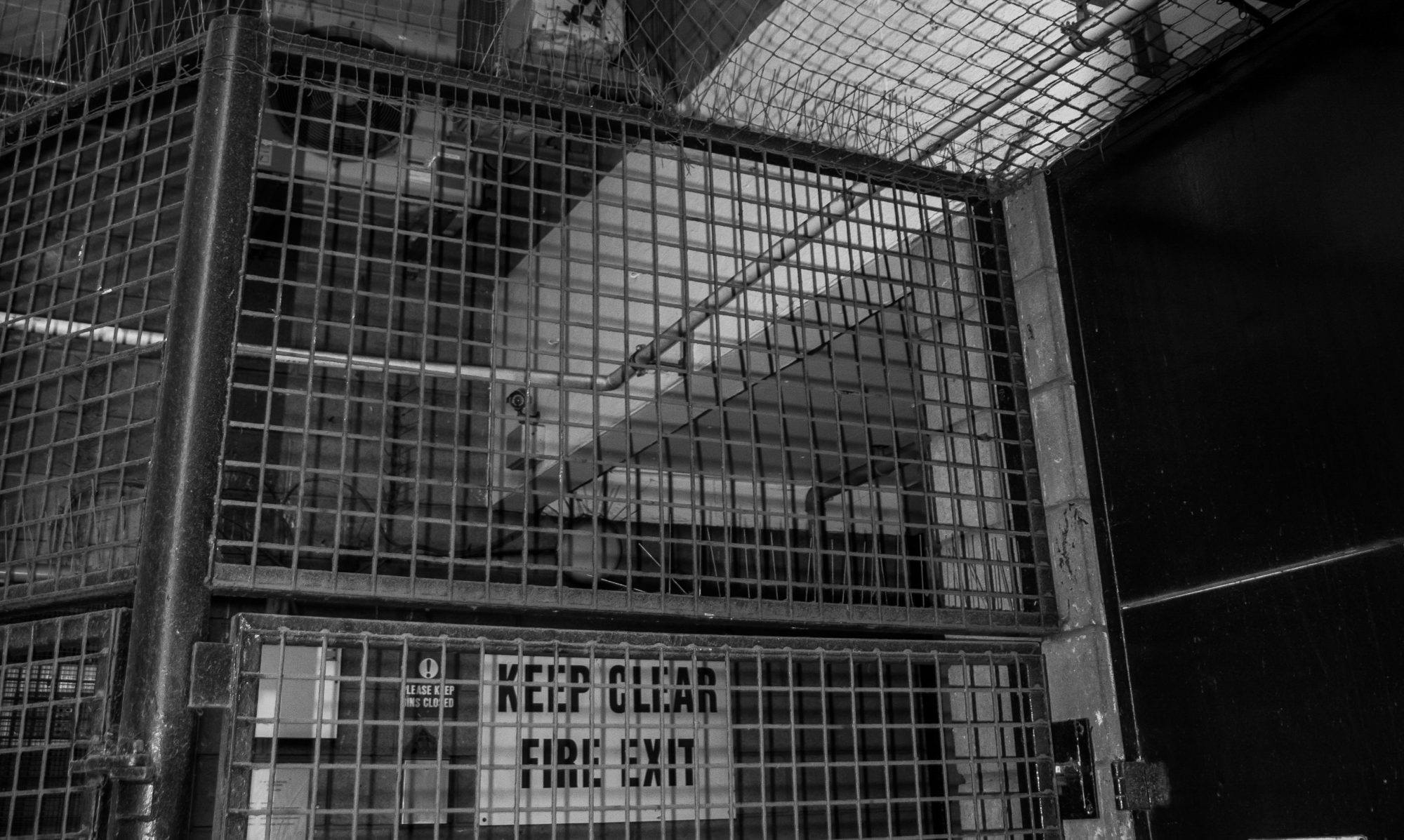
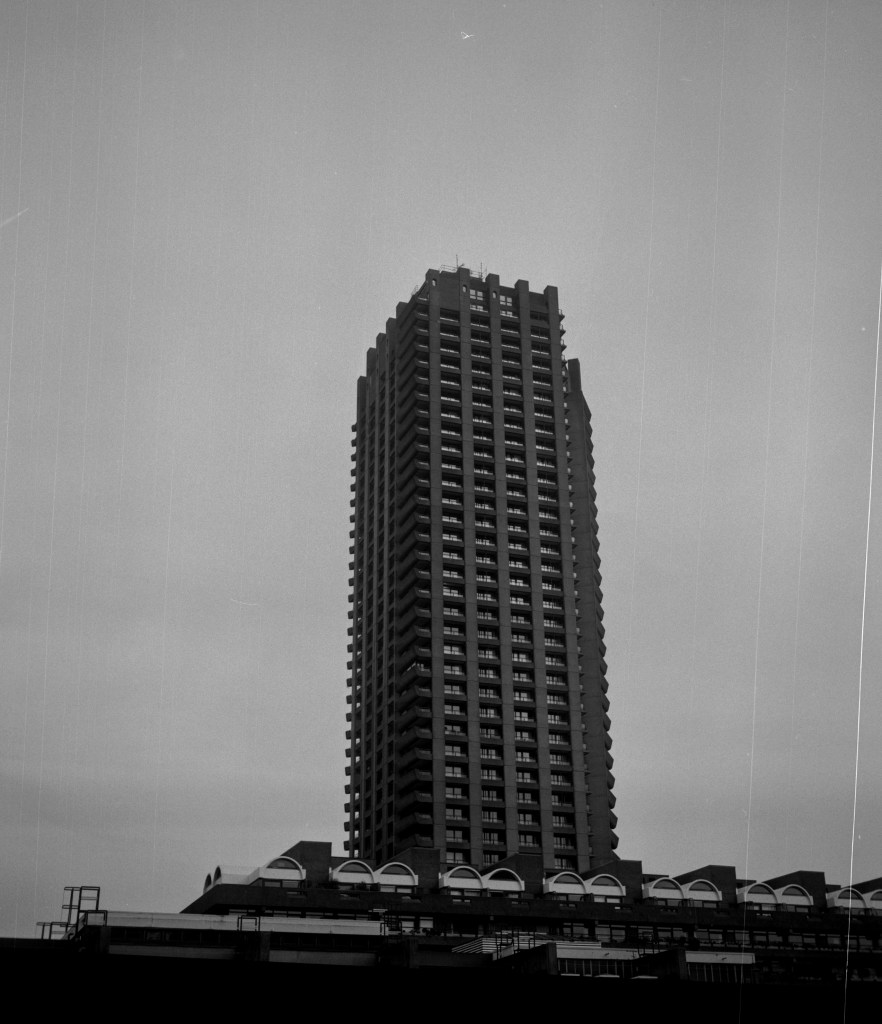
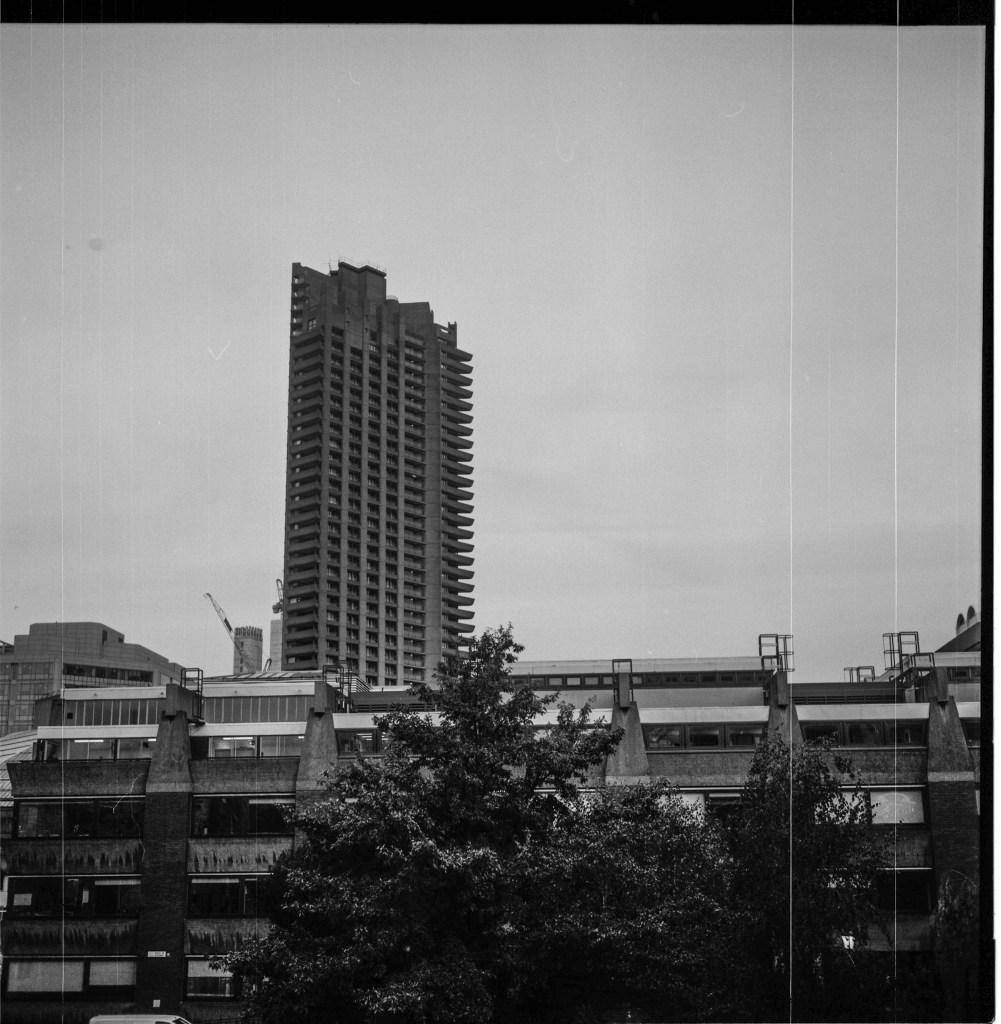
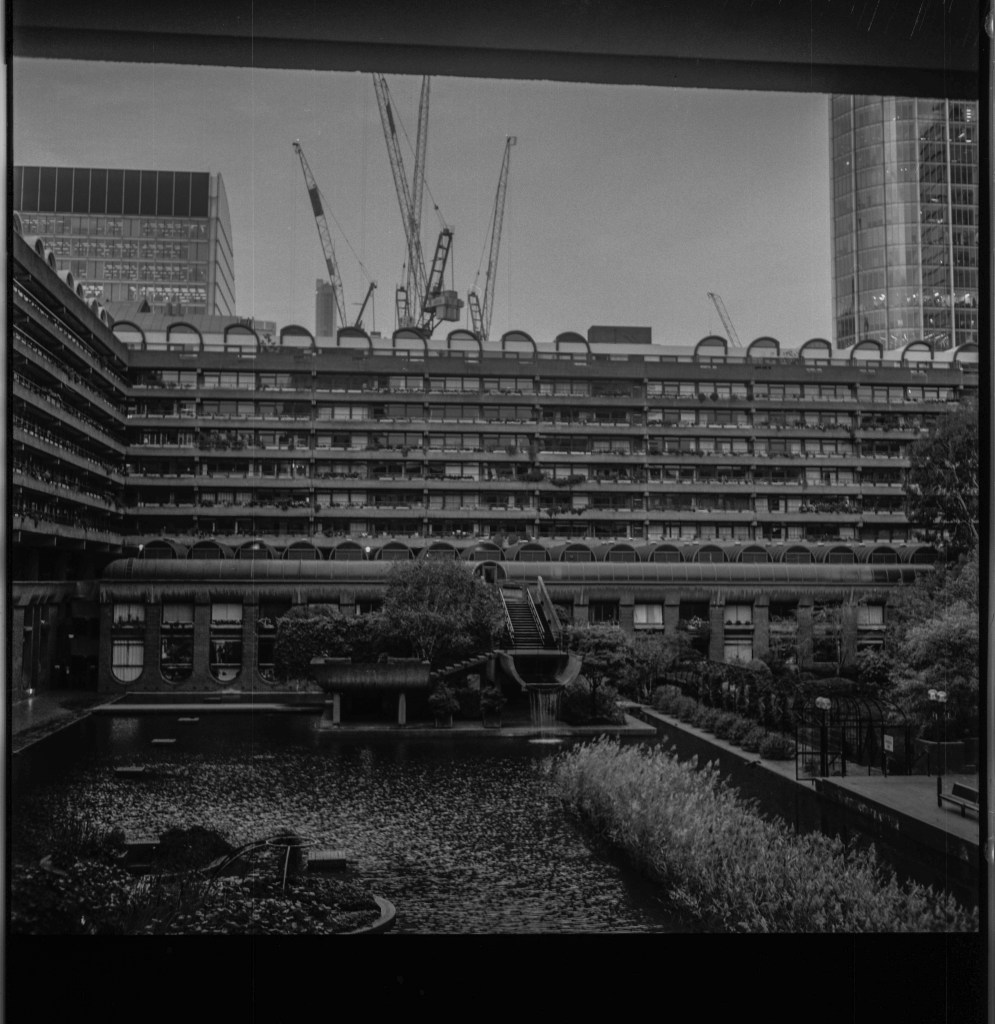
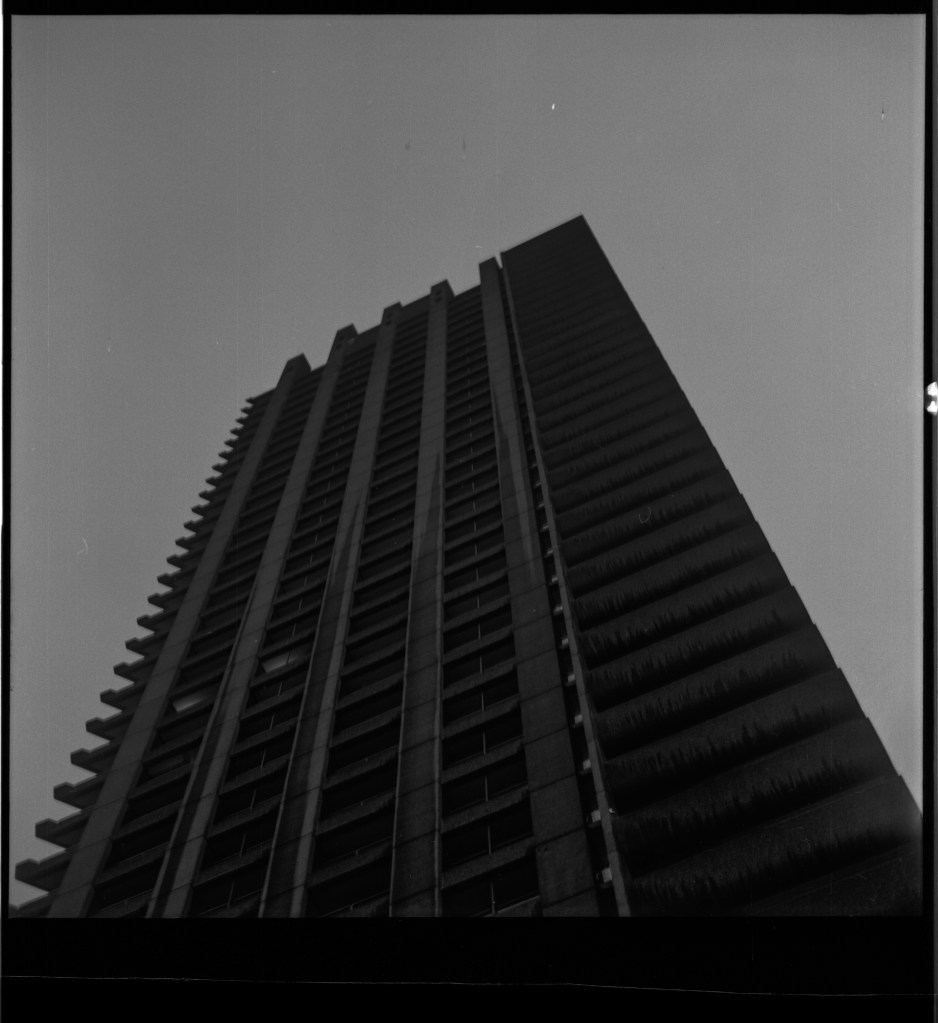
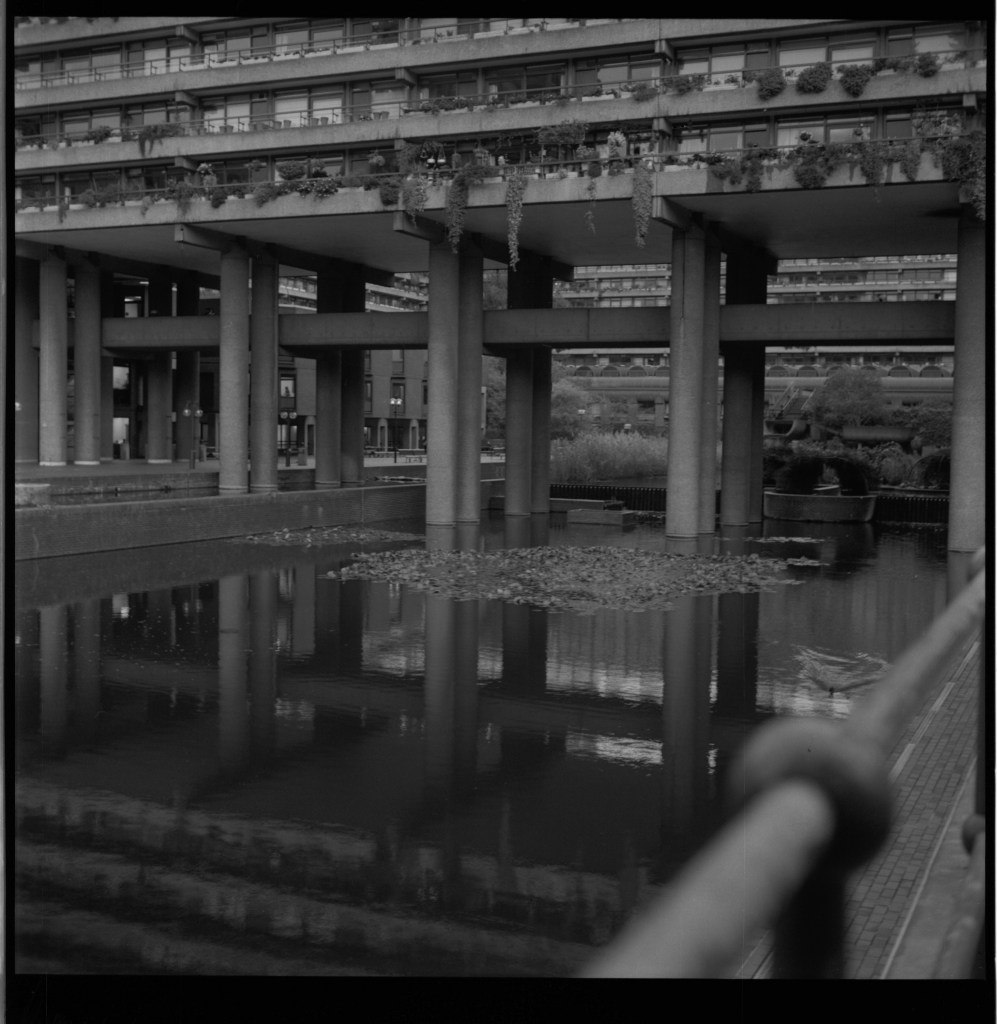
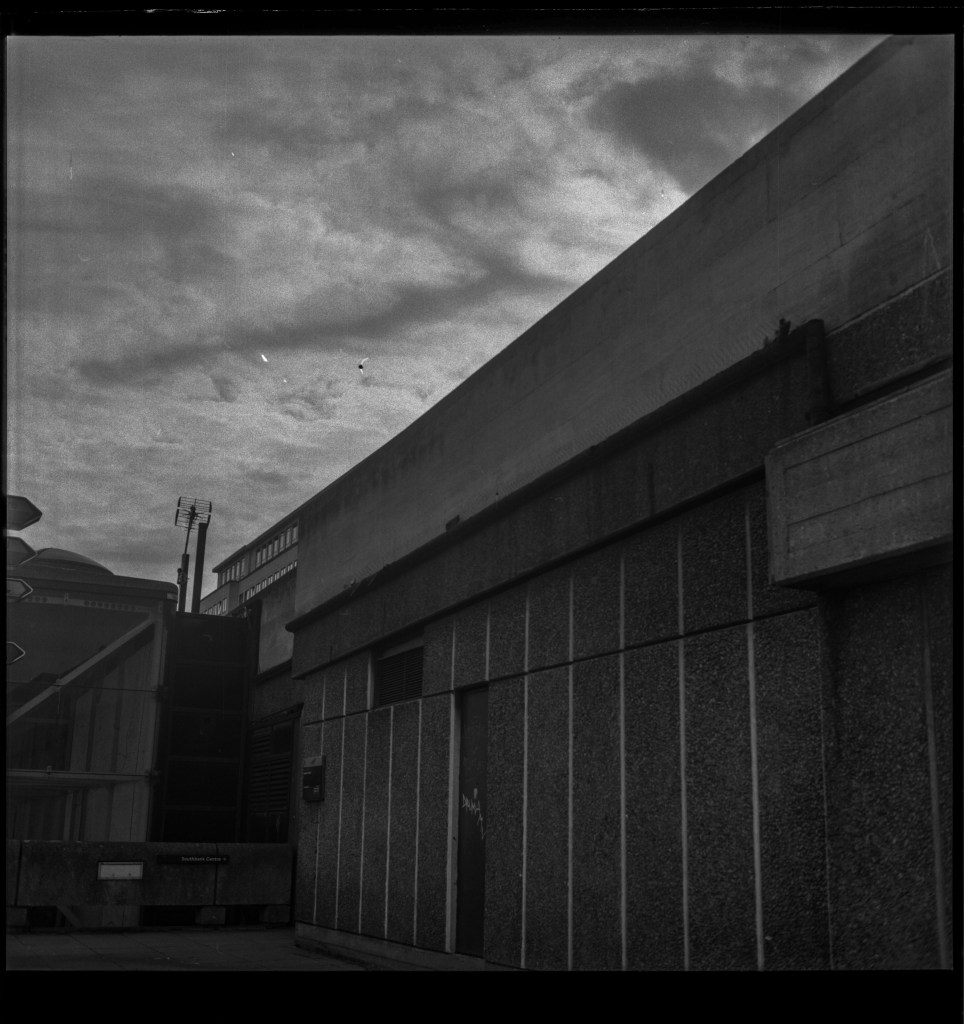
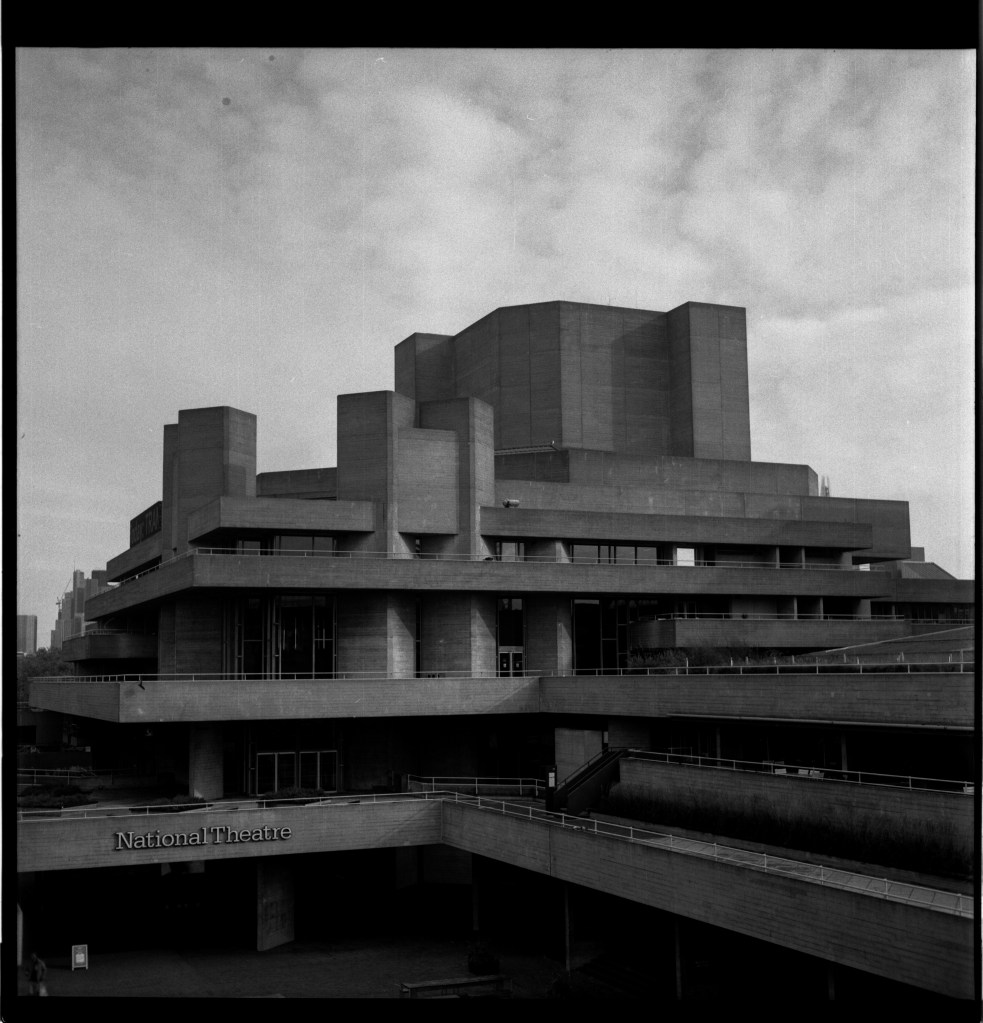
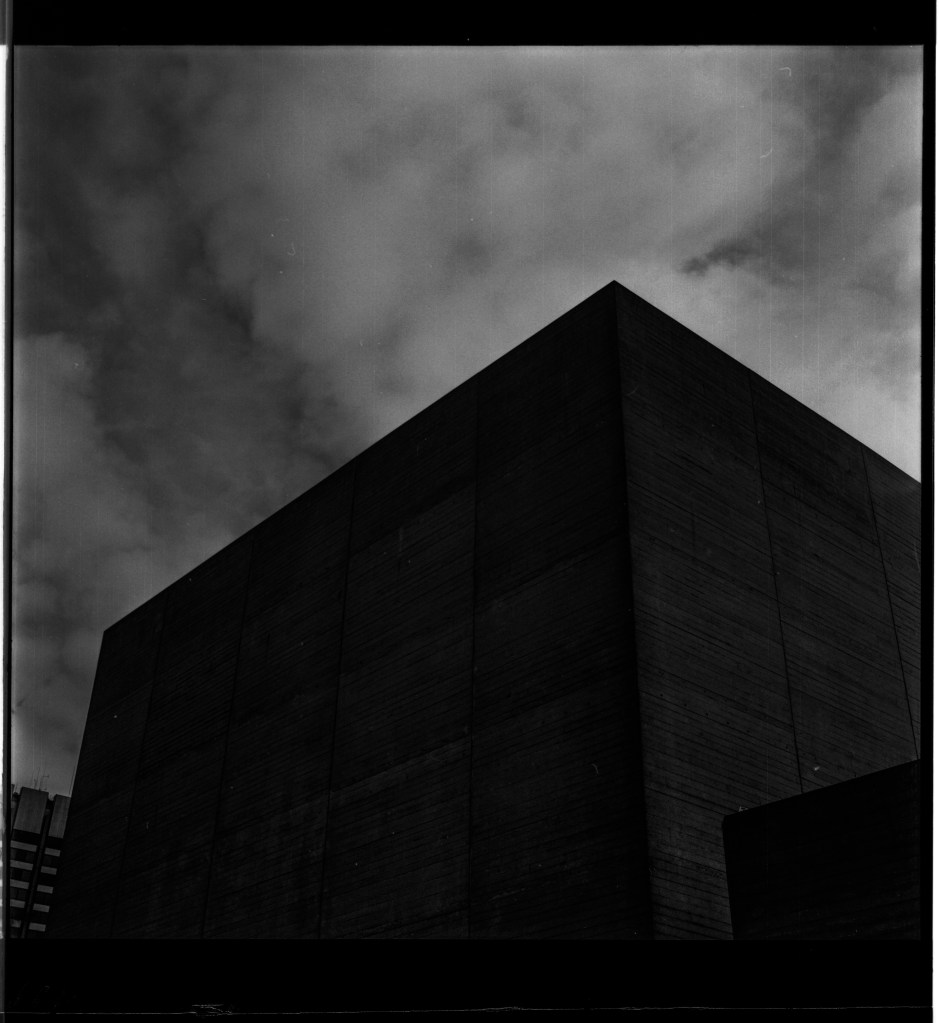
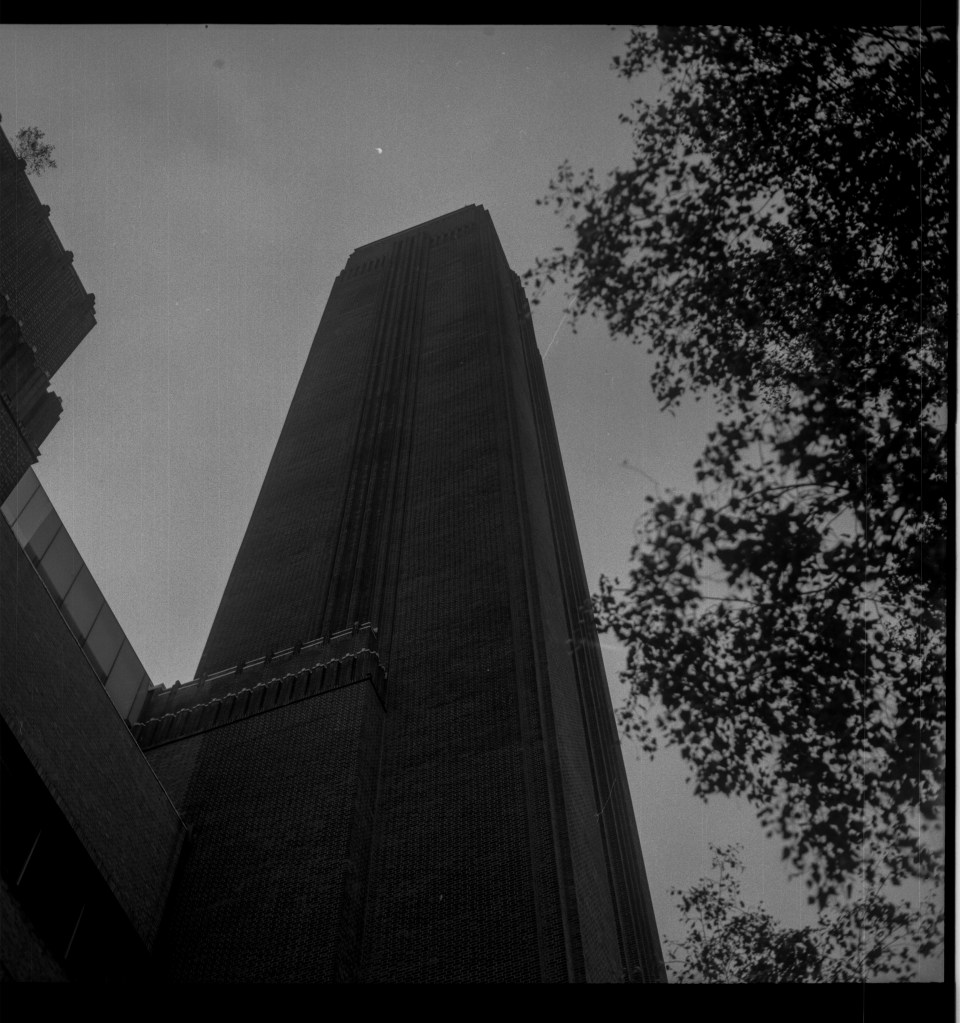
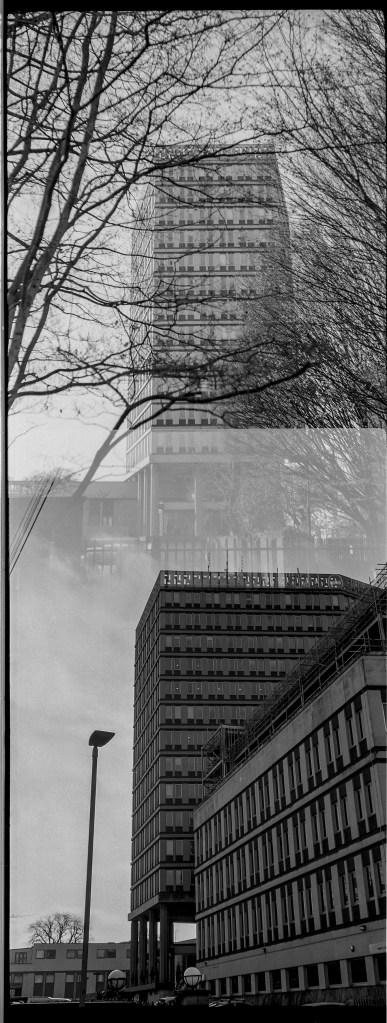
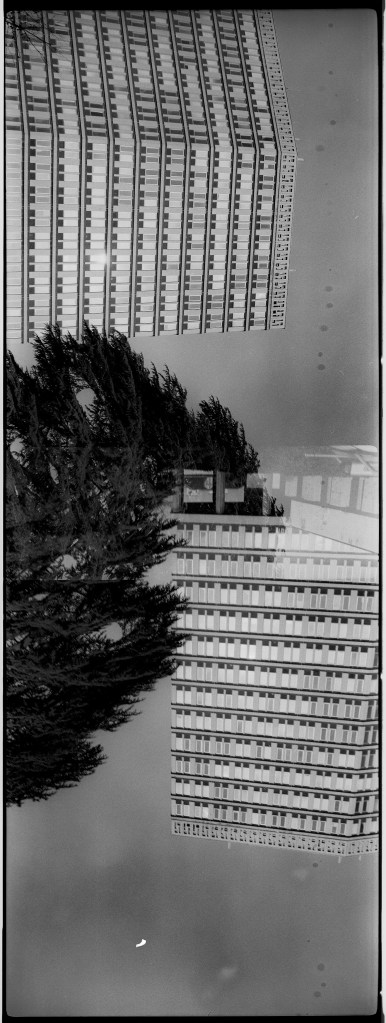
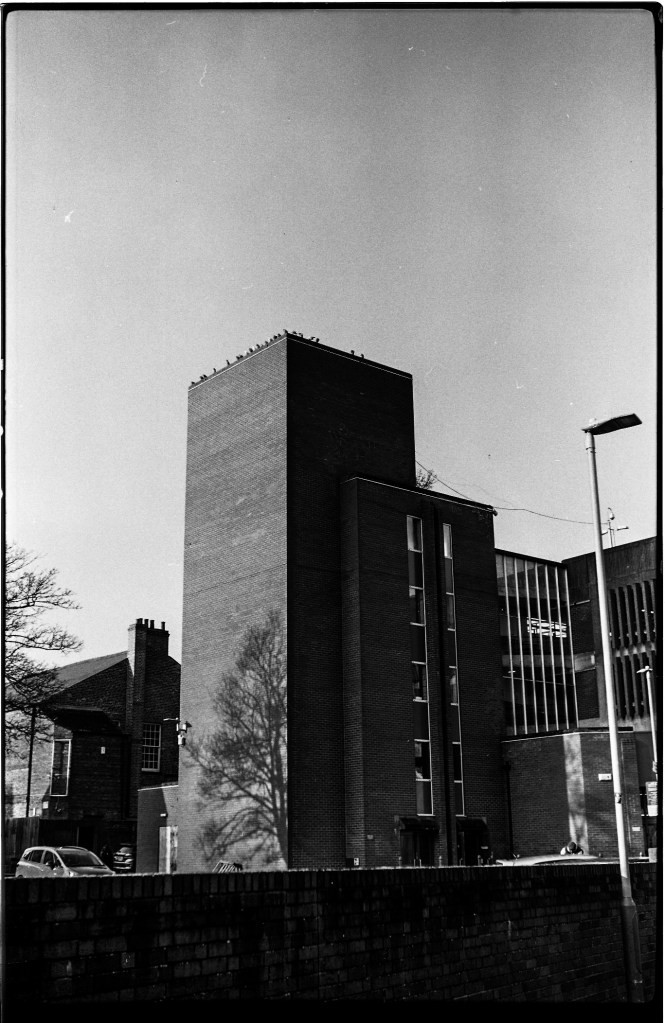
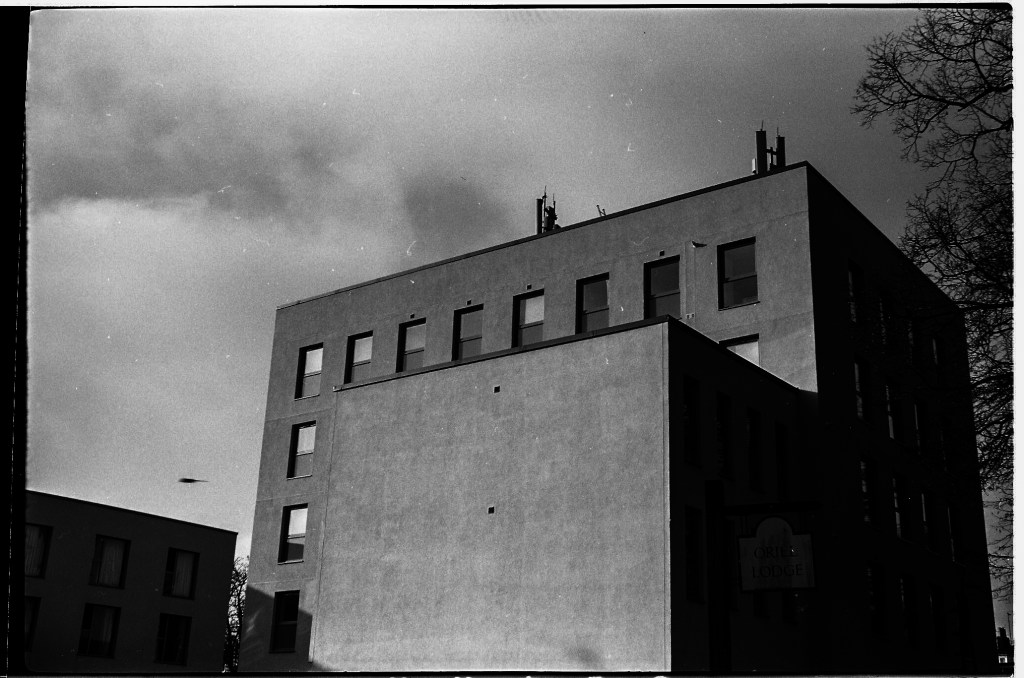
This is the selection of images that I have ended up with at the end of my project, I chose them as I felt that in all of them there was a sense of an atmosphere being emitted from the buildings in the shots, through a mixture of scale, framing and tone, I had been able to capture what I had set out at the start of this project. Whilst I had been unable to shoot as much or as often as I would have liked, I had gained so many new skills and techniques that I had never worked with before starting this module, these included,

  • Processing my own B&W film
  • Shooting with medium format cameras
  • Shooting on 120 films
  • Planning out shoots for a creative purpose
  • Translating an idea, feeling or atmosphere into physical work and images
  • Working in a Darkroom and producing contact prints
  • Curating a selection of images
  • Applying more abstract and fine art styles of thinking and working

These new skills and techniques have been invaluable in my personal progression both as a photographer and as an artist. Therefore I feel that this module has been a success as I am far more confident in my skills after completing this project. However there are also many aspects I would do differently. These would include, working with the blog more, documenting my notes on the regular, shooting more, going to more places and booking out some kit from the kit stores as it would be foolish not to take advantage of the high end equipment on offer.
Editing Style

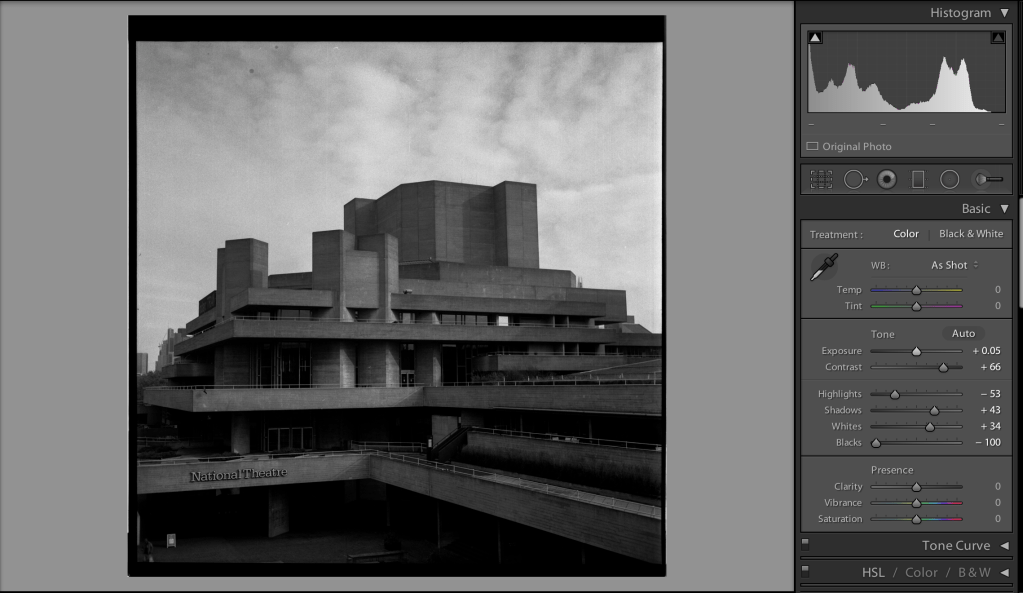
With the images now collected I set about the post production editing process. Using Lightroom and Photoshop I loaded up the images and set about cropping and editing them for the final selection. Much of the editing fell under a similar routine of lowering the highlights, raising shadows and enhancing the blacks to emphasise the form and shape of the buildings in the shots.

The Editing interface with an example of the editing metrics applied to the image.

Shoot Report, 6×9 Buildings & The 6x? Negatives

Following my London shoots, I wanted to test an idea that had come up in a feedback crit that perhaps the imposing nature of the buildings that I had captured in London only had that atmosphere due to them being located within central London. I very much believed that the buildings had their own presence and form regardless of where they may be found. to test this I decided to do another shoot but this time in Cheltenham, a town very much different in vibe and tone from London.

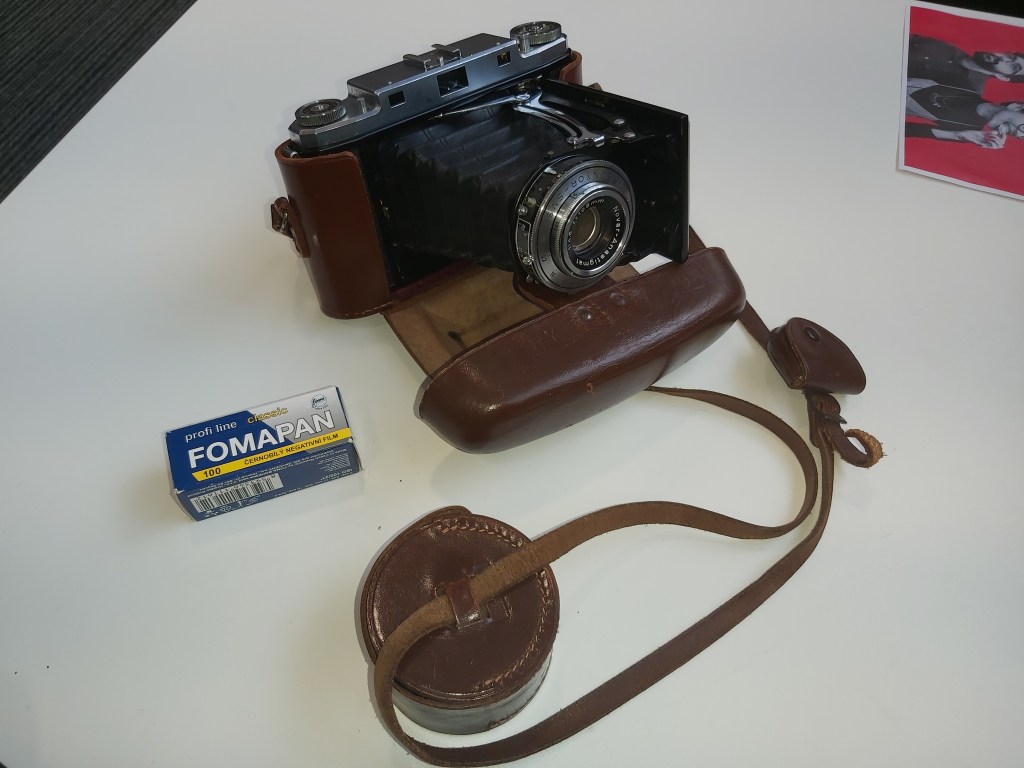
For this shoot I decided to use a Zeiss Ikon Super Ikonta 6×9 rangefinder.
1952 Zeiss Ikon Super Ikonta with FOMA 100 Classic

The shoot went well as conditions out on the day were very good, clear and bright. I shot using an external light meter and used the uncoupled rangefinder built into the camera to set my focus. this worked well as my images came back decently exposed and very sharp.

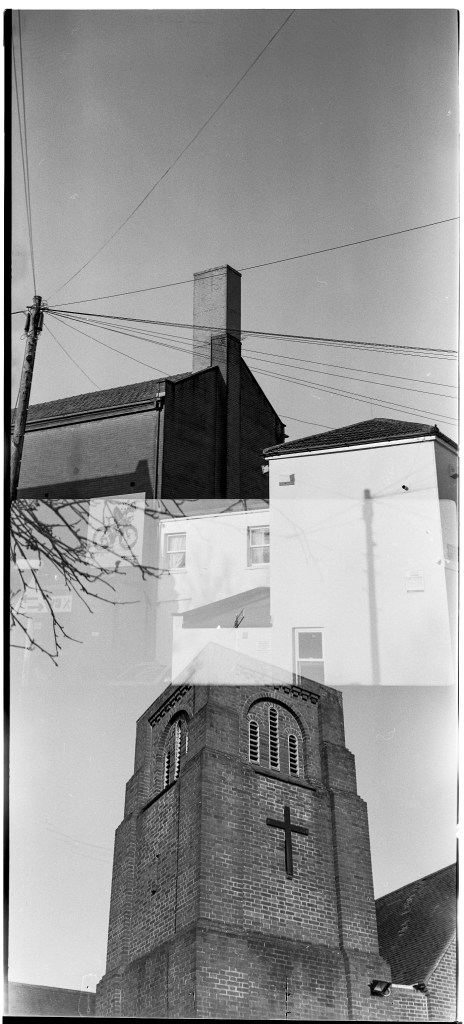
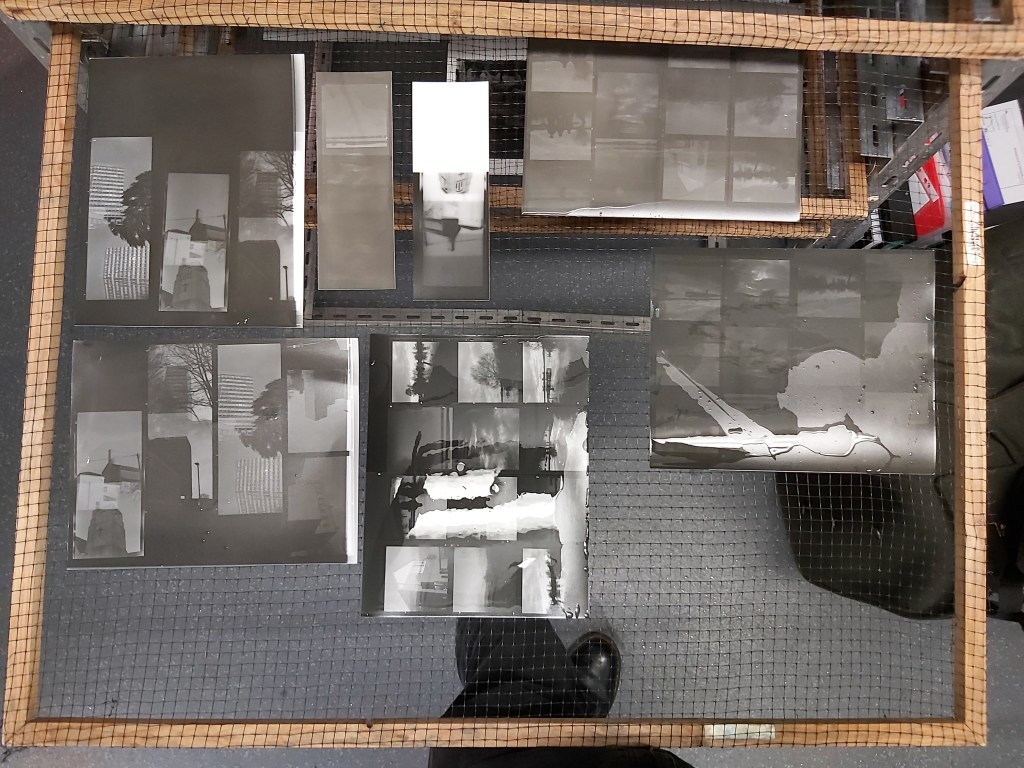
These shots were ones that I felt had the atmosphere and form that I was looking for, with large facades that radiate out when lit in the way they were on the day, however there were some shots that came back and I had obviously not wound the film far enough on and this created some very interesting double exposures that have been dubbed the ‘Six by Question Mark’ negatives owing to their very large size, I estimate them to be on average around 6×14/16 in size. this would make them difficult to work with as they are not a standard sized negative. I scanned them in and this worked well enough to have digital copies of the images over properly darkroom made prints.

Taking into account my planned presentational style, I felt that these images would be very strong candidates to make the final cut, as their long lucid forms created some very unique atmosphere that would translate well to a large print.

with all the images scanned in, I edited them in a similar style to the rest of my images for this project, and ended up with very powerful images that fit in well with my project.

Presentational Style.

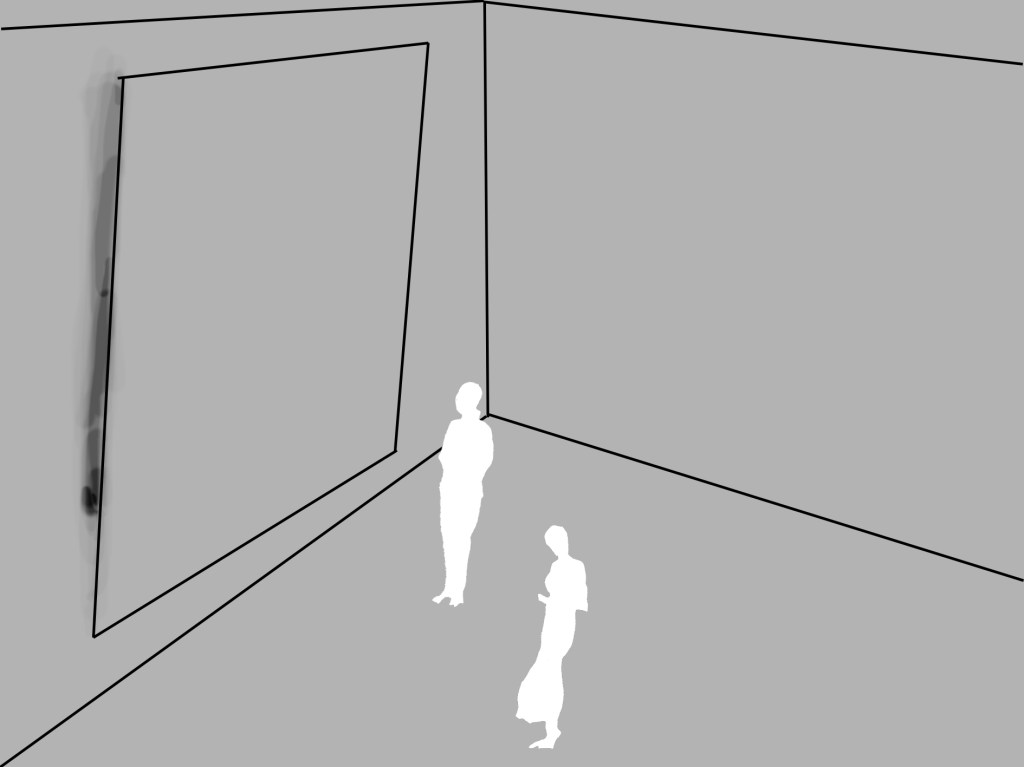
From the start of this project, I have had a pretty strong idea of how I wanted to present my work. To reflect the powerful nature and presence of the buildings I shot, I wanted to have them printed out very large, say A1 to A0 in size and hang them up in such a way that the viewers would have to look up and really focus on the shapes and tones of the image, in a dimly lit environment, like that of Rothko’s Chapel.

The prints would be hung at a slight angle forwards, to give the illusion of a towering form looming over you, furthering the imposing nature of the concrete monoliths.

A Prototype design for how the final prints will be displayed.

Unfortunately, the timing difficulties that I encountered after a period of ill health meant that the print que from the stores were so long that I would not be able to get them printed in time for the presentation, I will still aim to complete this in my own time outside the project as I very much want to see and experience this proposed presentational style.

Dev Blog, Darkroom and Contact Printing

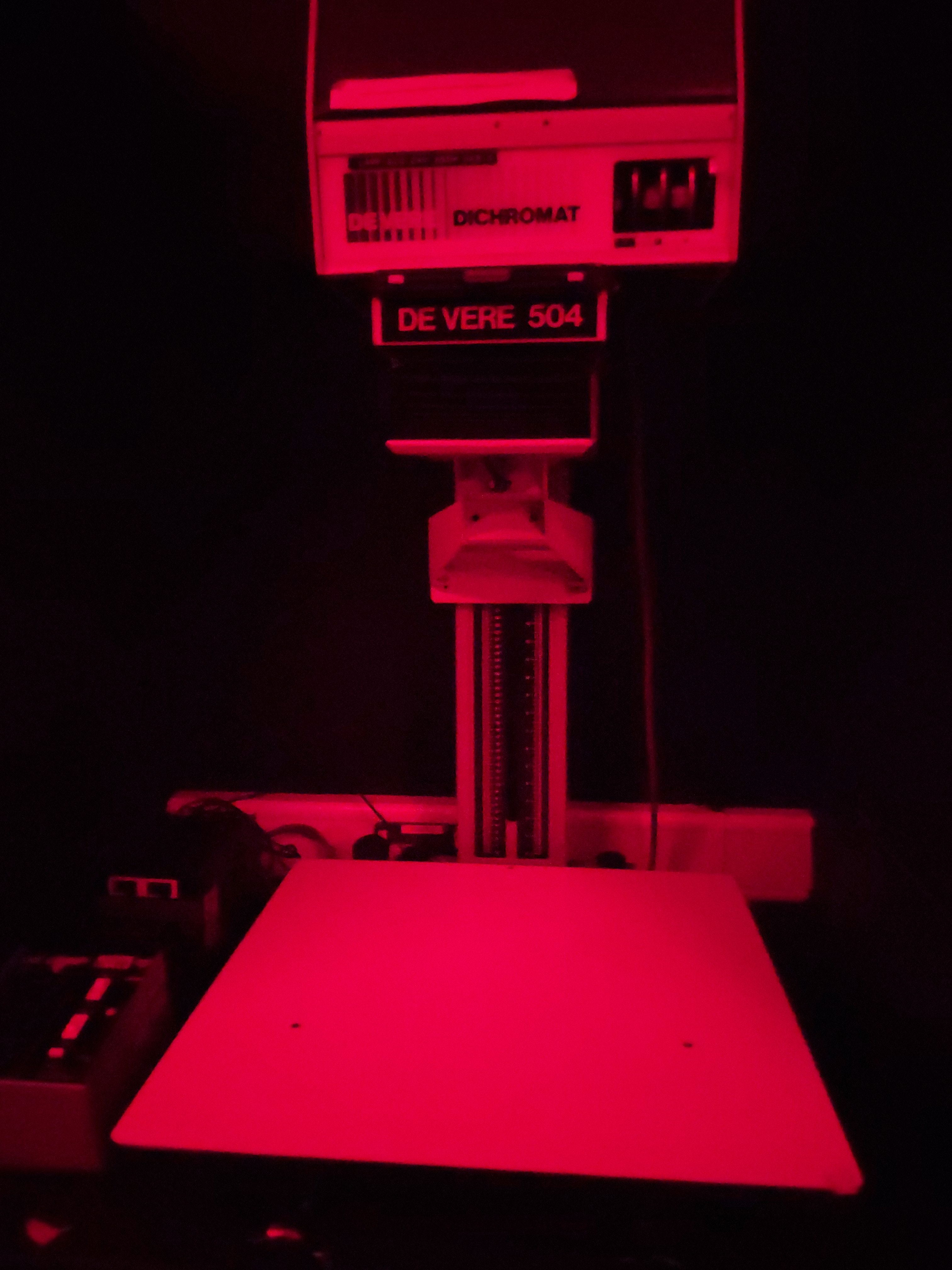
The De Vere 504 Enlarger that I used to make the Contact prints

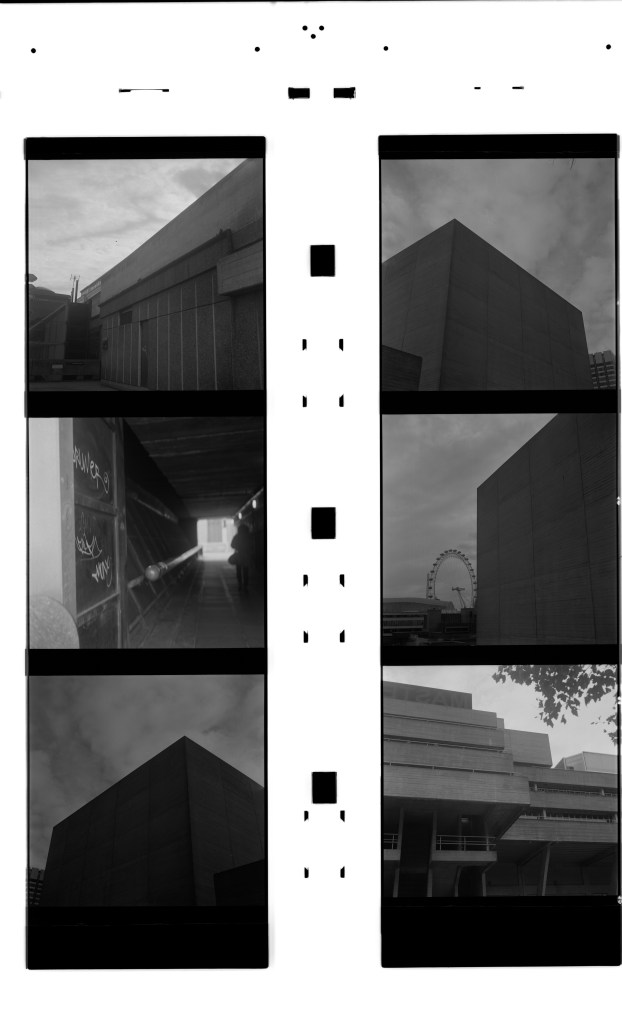
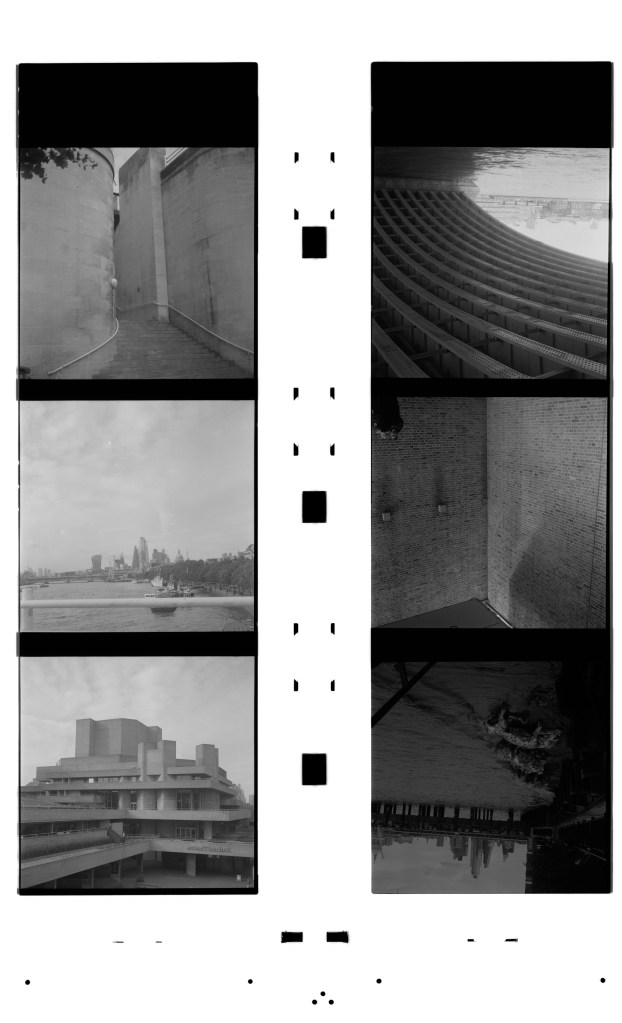
Following shooting and developing the rolls of film I had used to shoot my project on, I was curious to see if I could get in a little darkroom work as another process and experiment into more established photographic work that I was working towards as a side goal with the project.

Having had a total of zero hours in the darkroom, the prospect seemed daunting and confusing. I spoke with some fellow coursemates and was very kindly offered some tuition in contact printmaking the following day. I accepted the offer and met them in the darkroom and we got to work.

There were some very new concepts to get my head around, namely the inversion of the exposure rule, usually being too bright = smaller aperture/ less light to get a correct exposure but with darkroom printing, it’s too bright = wider aperture/ more light to get correct exposure. This was easier to get a grip with when we started making test strips with graduated exposure levels.

Aligning the negatives on the photo paper too was a challenge as fitting an entire strip of 120 film onto the 10×8 surface without overlap or edges off the edge. Using a specially made holder was beneficial to this and pressed the negatives down with a glass lid ready for exposure.

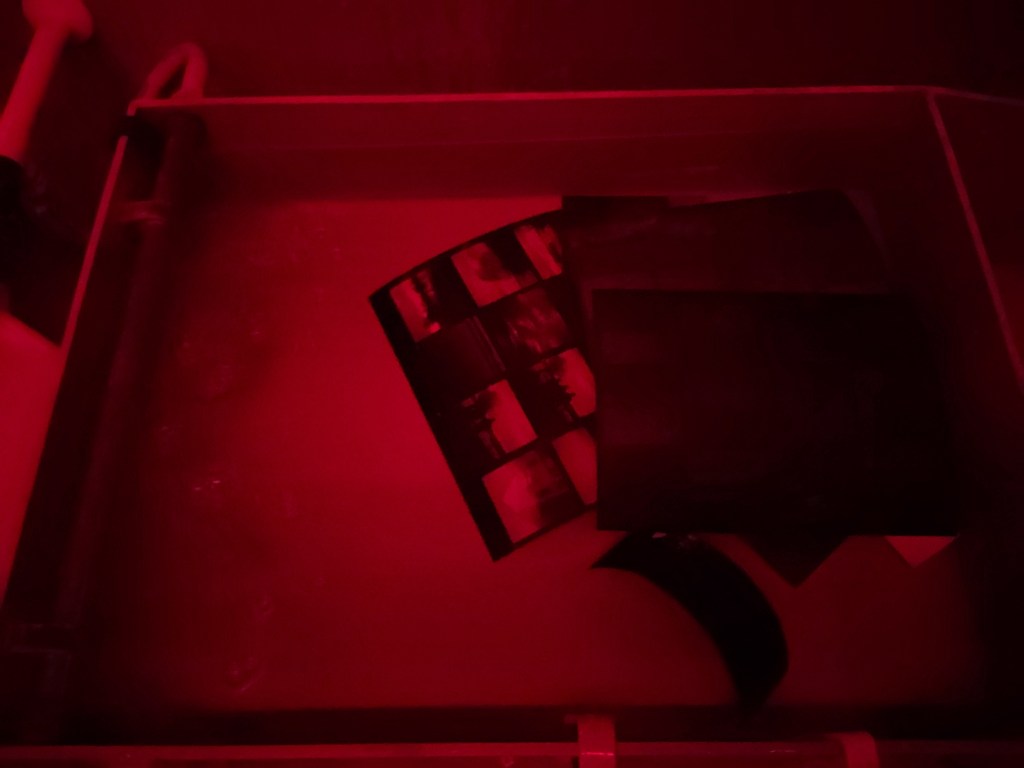
using the test strips to determine a correct exposure, we blasted the sheet with light and then placed them in the dev chemical tray and sloshed the solution over the paper, slowly images began to fade in on the paper. many of my prints came out quite dark as I was still getting used to the precise timings with both the exposure and the dev time in the chemical.
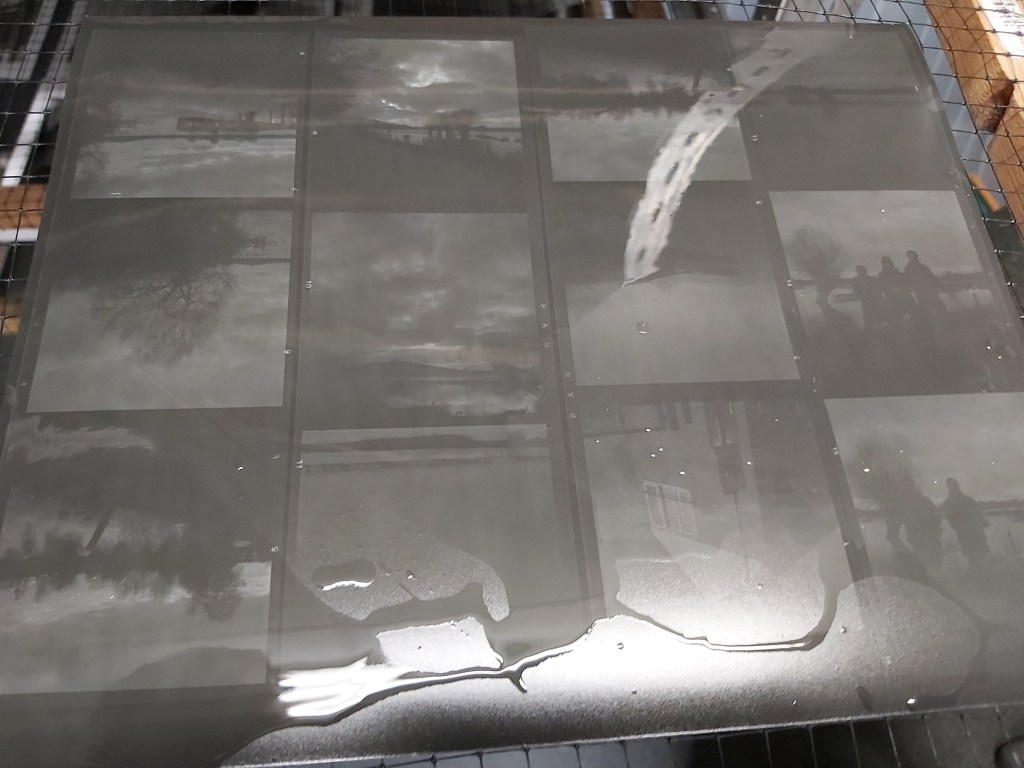
some of my contact prints in the wash stage

However I was pleased with what I had produced and felt much more confident in my ability to now work and produce at least something in the darkroom whereas before I wouldn’t have been able to do anything. This has only spurred me on to work more in the darkroom and hopefully go on to producing some fine prints in the new year.

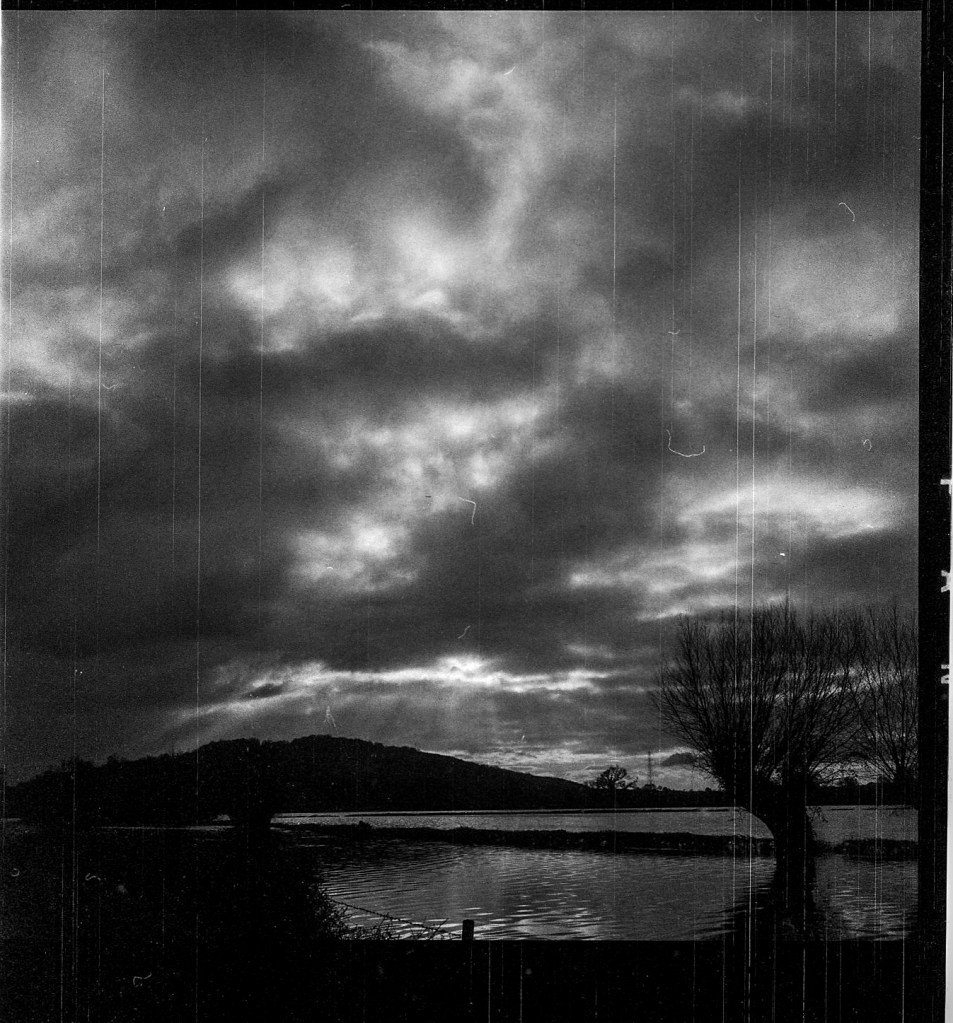
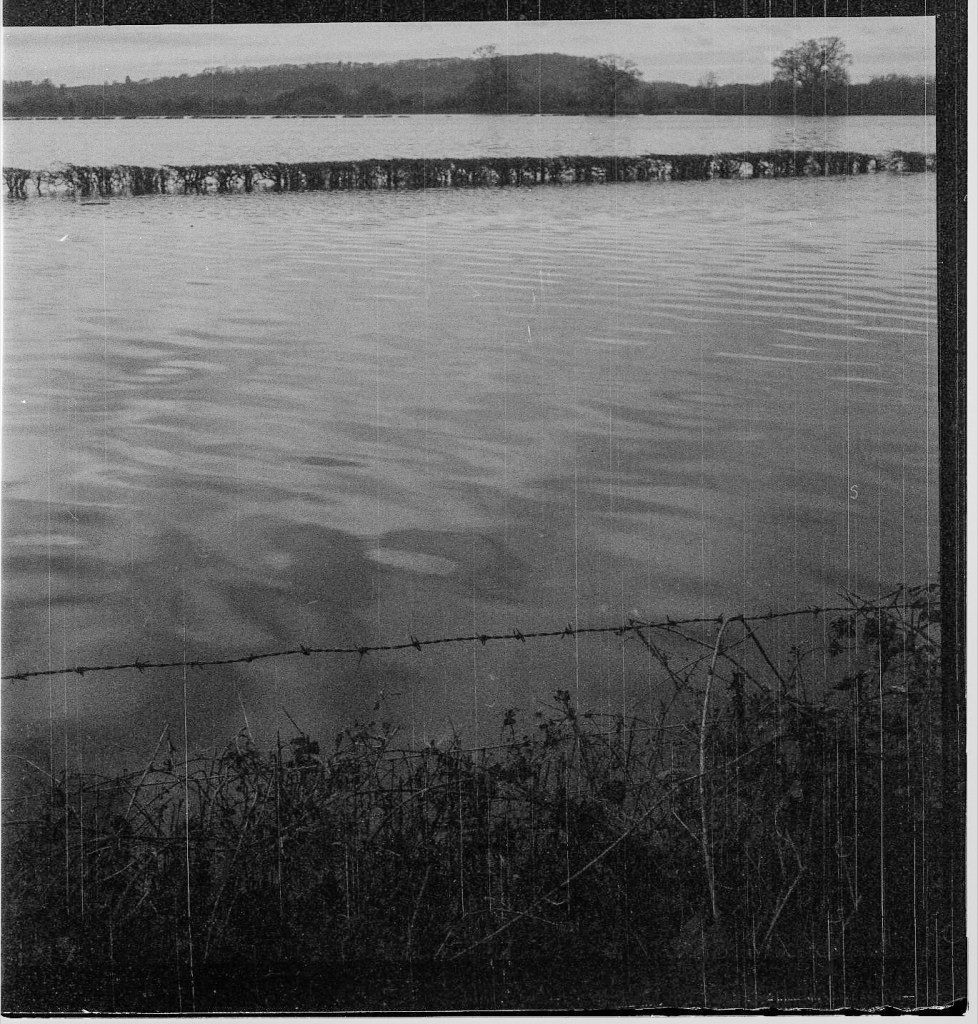
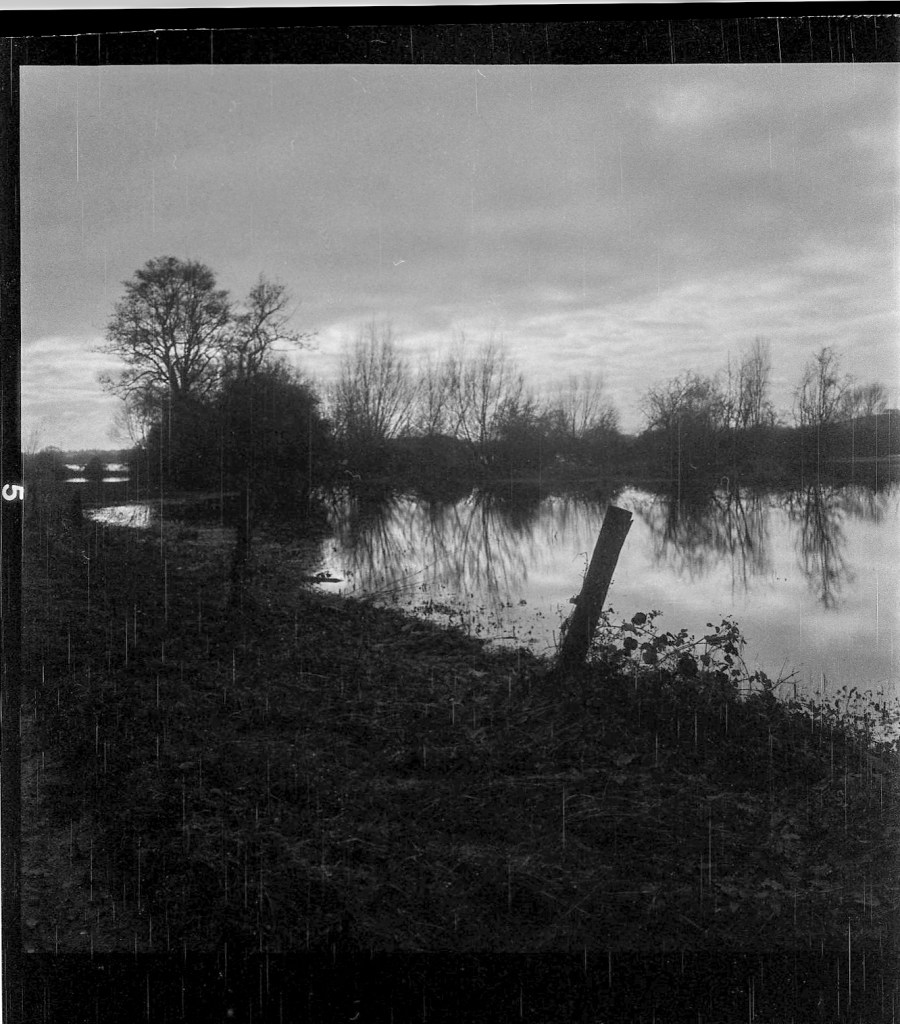
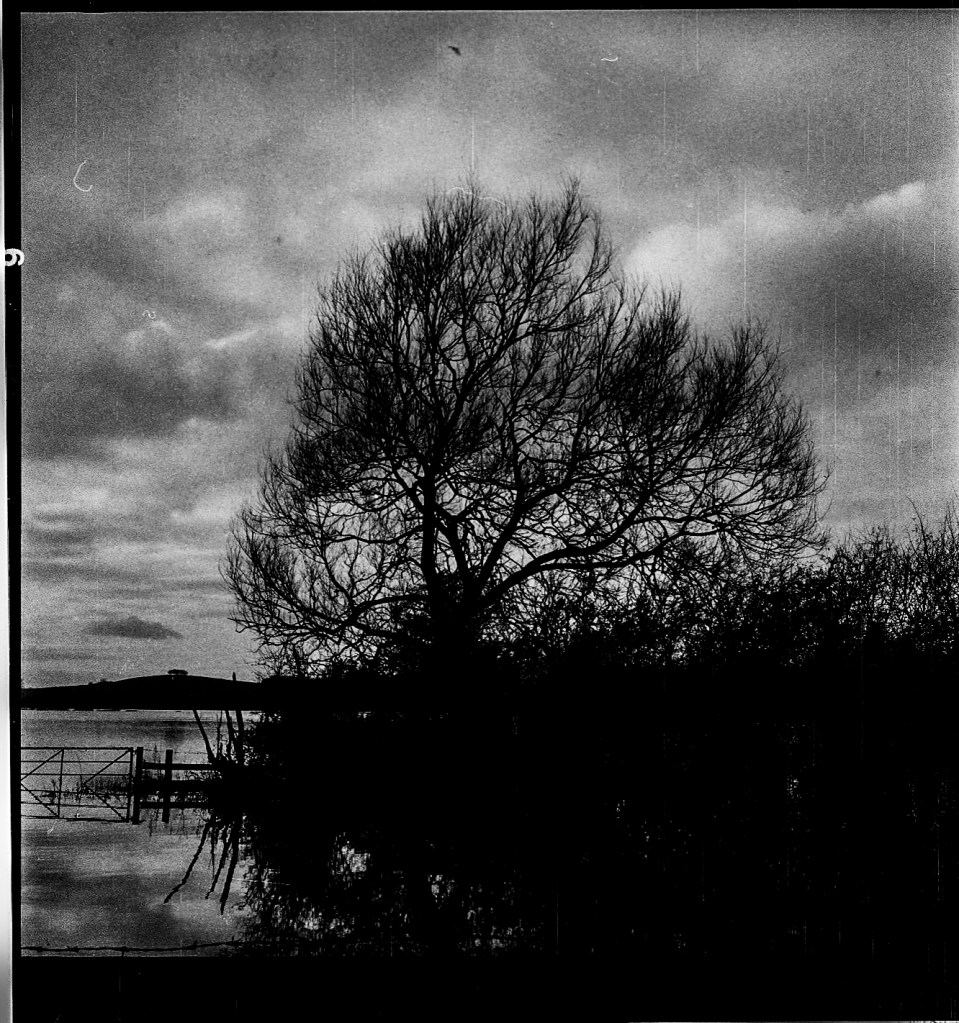
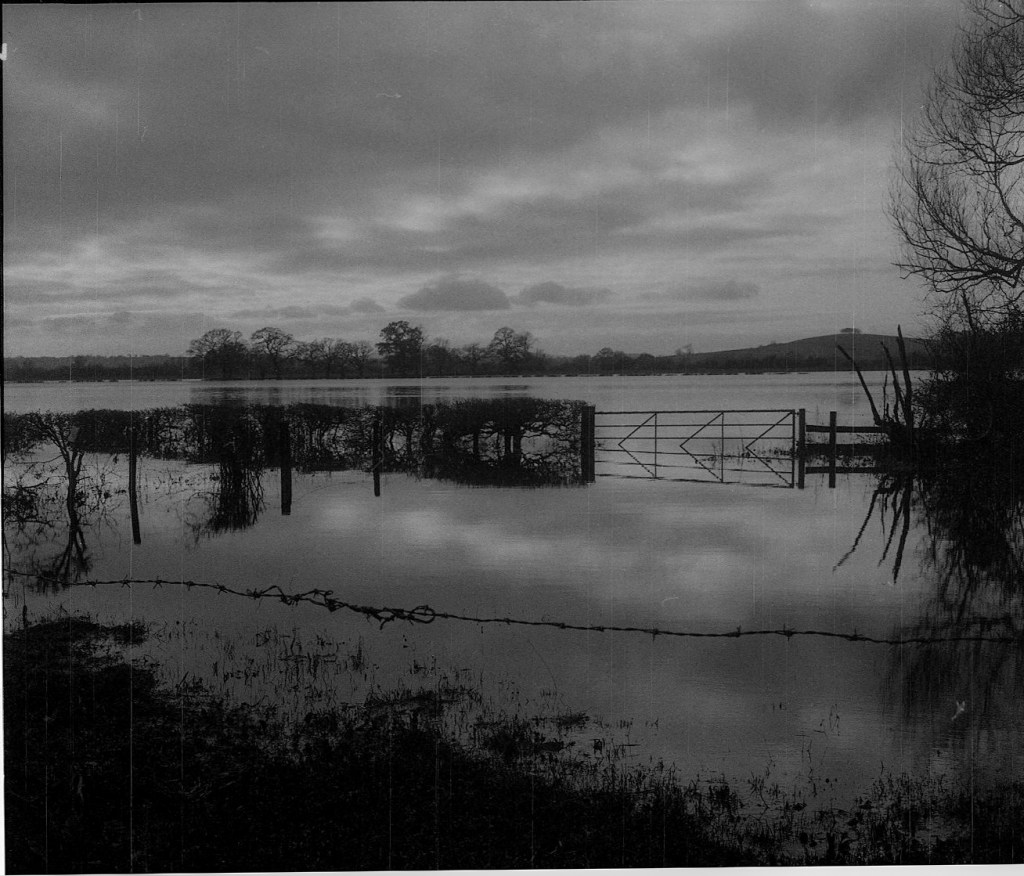
Shoot Report, Floodplains

As part of my work and experience gaining exercises, I planned to go and shoot with some medium format FOMA Retropan 320 soft in the disused train depot within the grounds of the Cheltenham Racecourse. However upon arrival it was clear that the station and line were not as disused as we once thought, the station was currently occupied by a great steam train readying its boiler soon to depart. It turned out to be a Christmas holiday train so at this time of year it would be infeasible to enter the train depot further down the line.

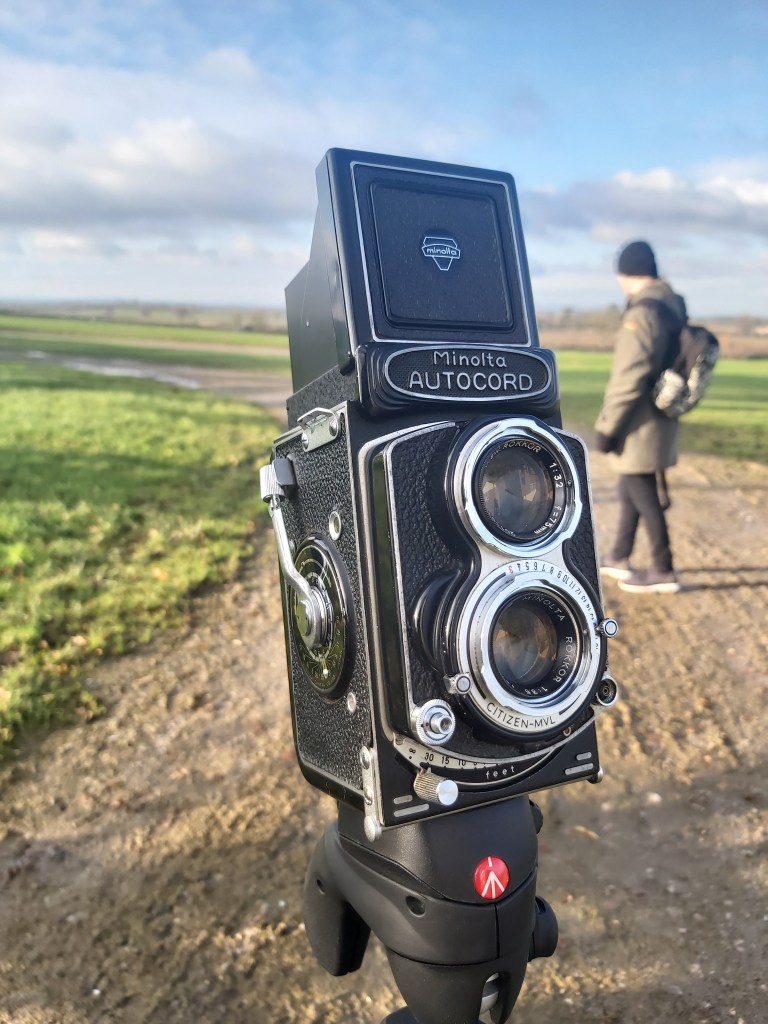
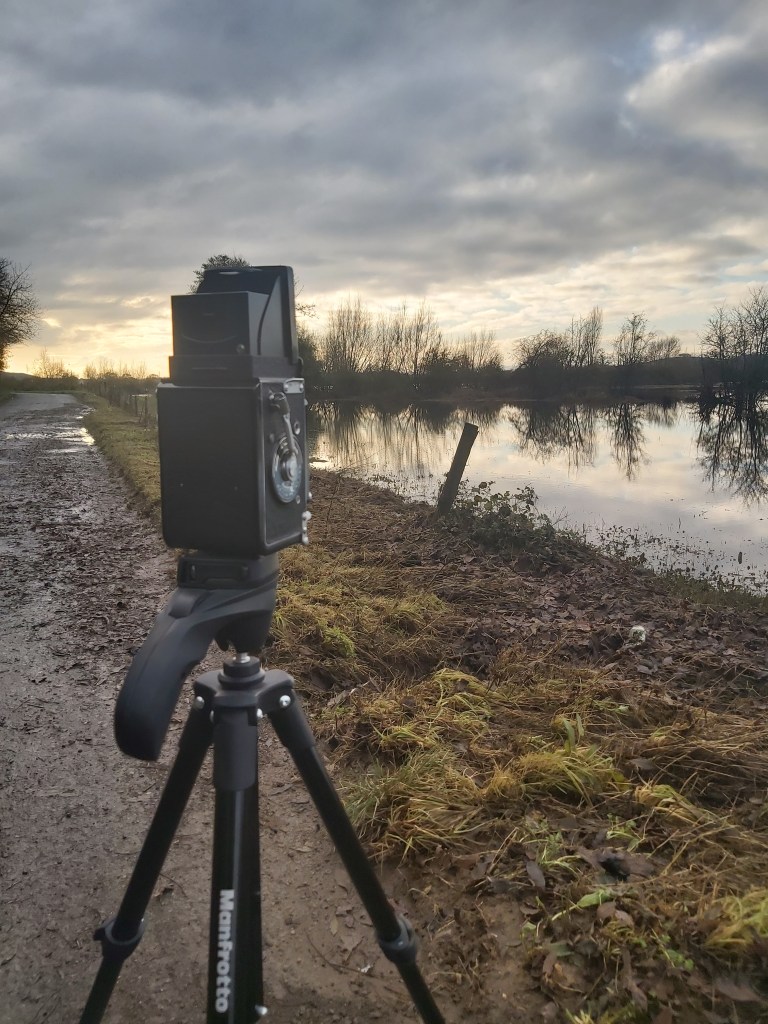
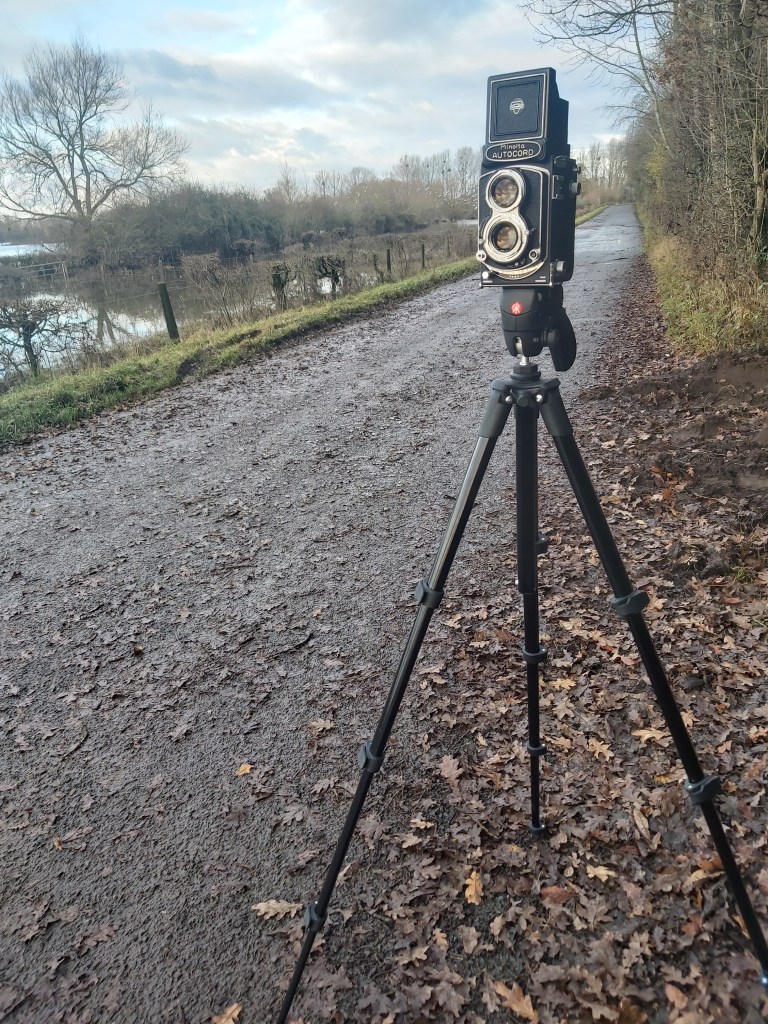
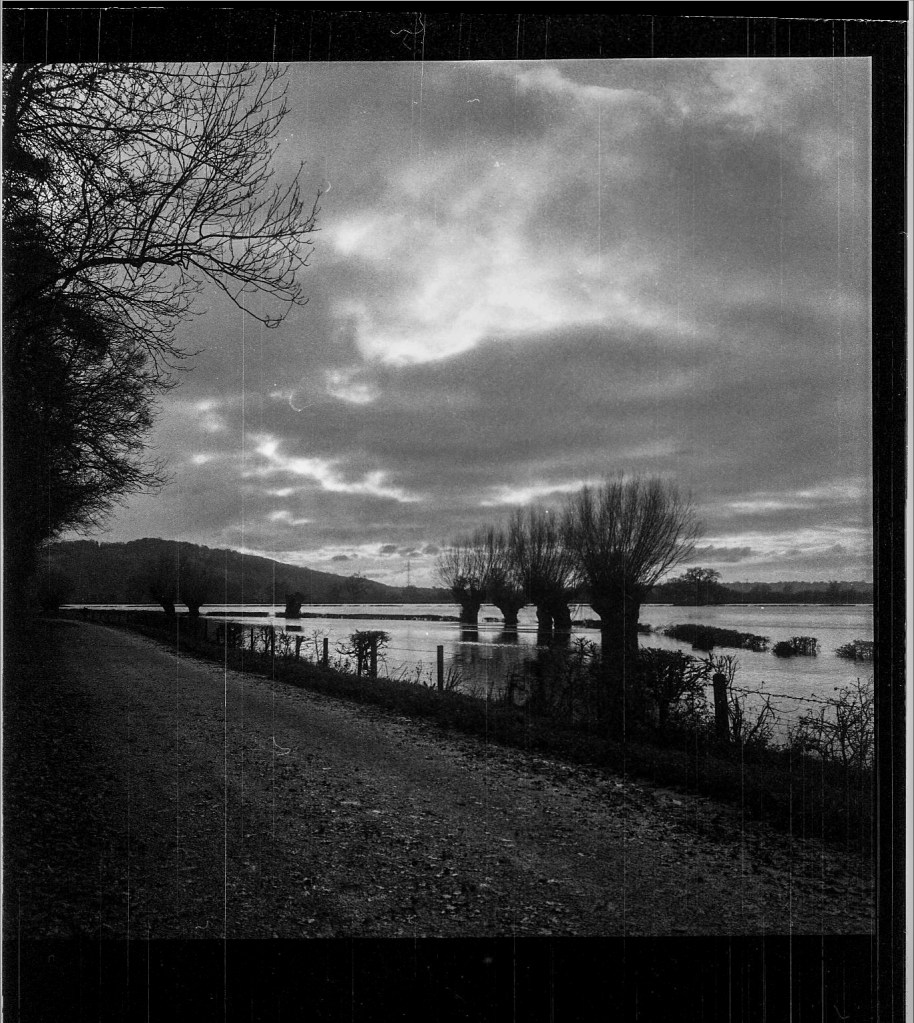
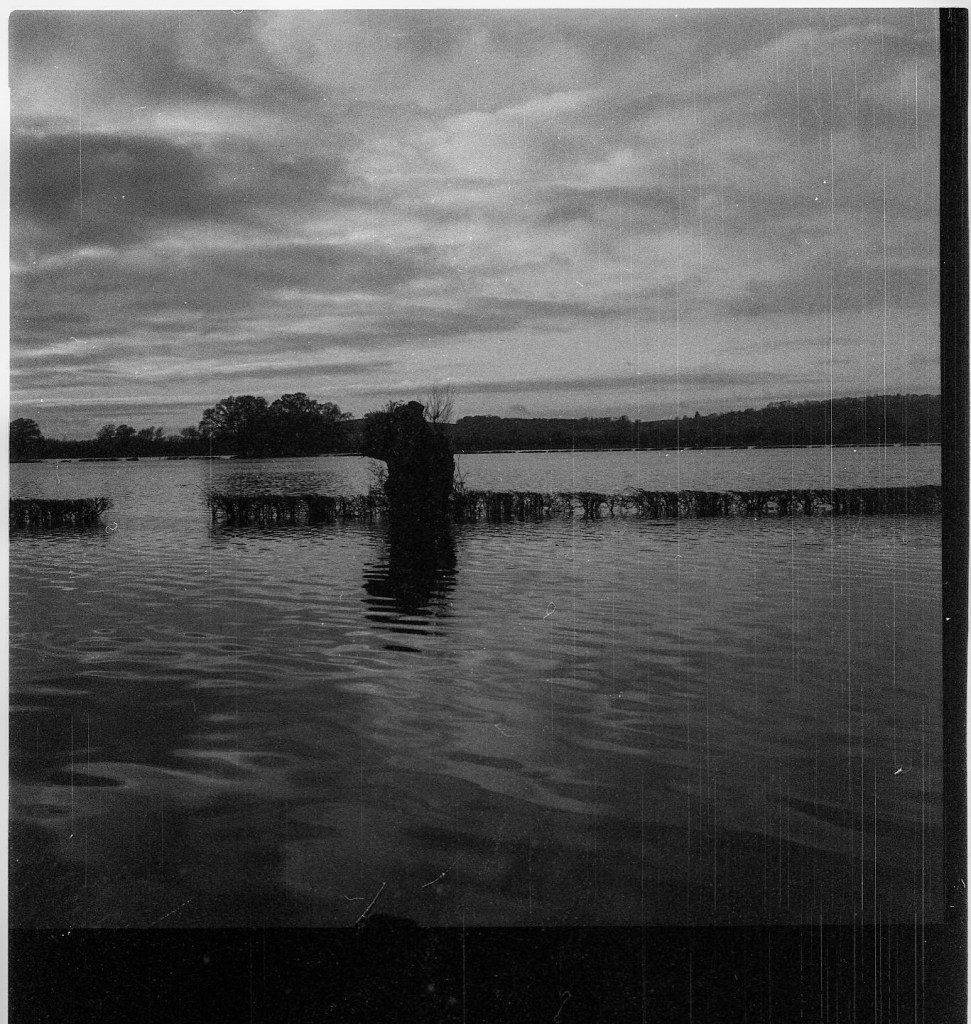
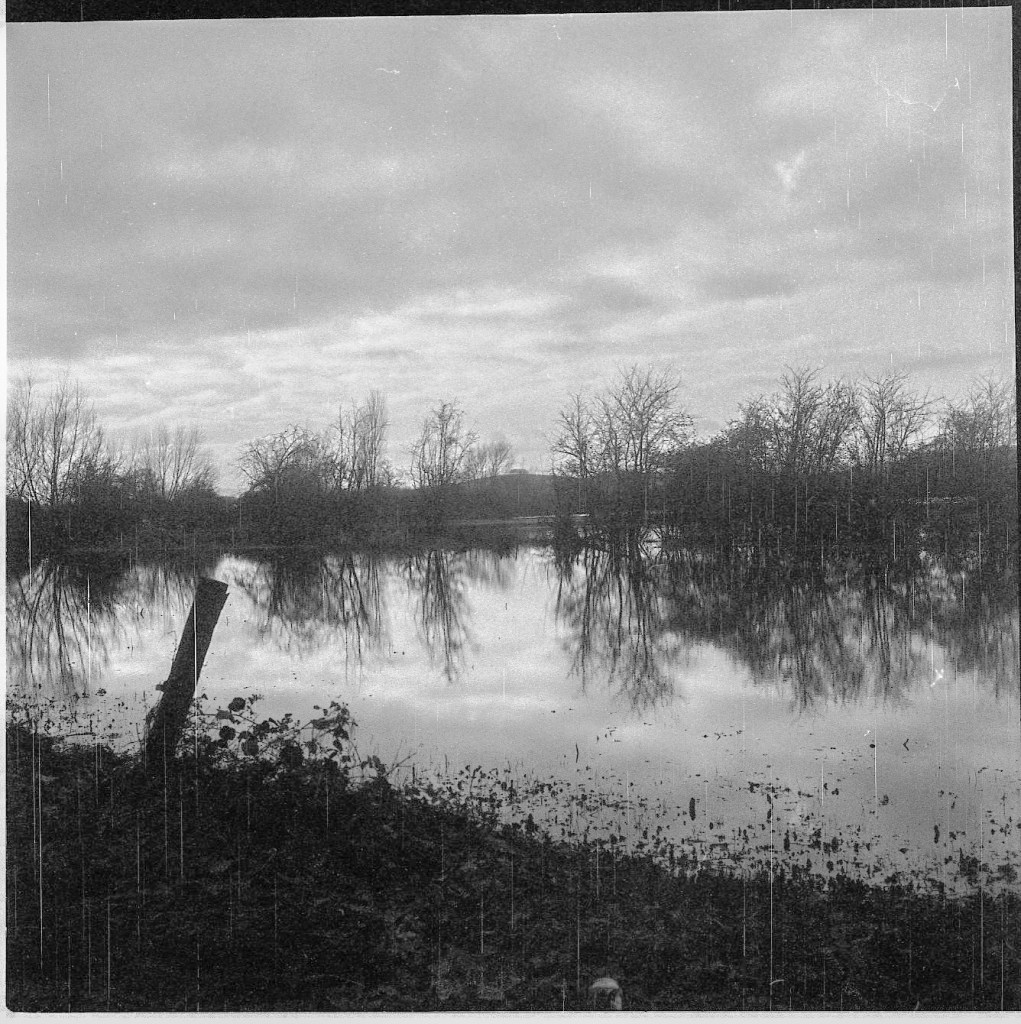
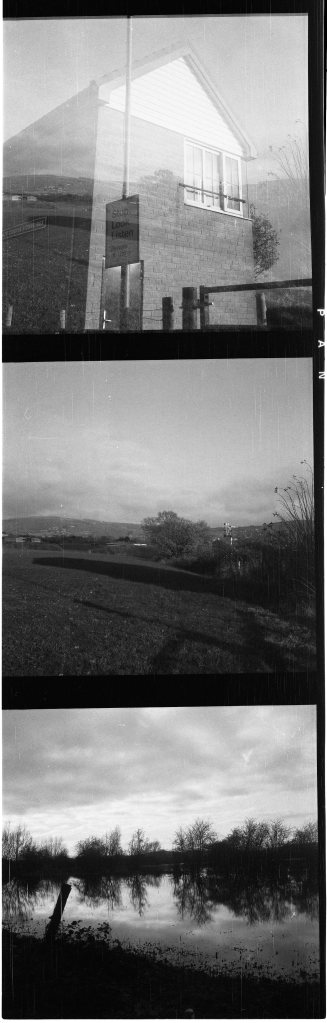
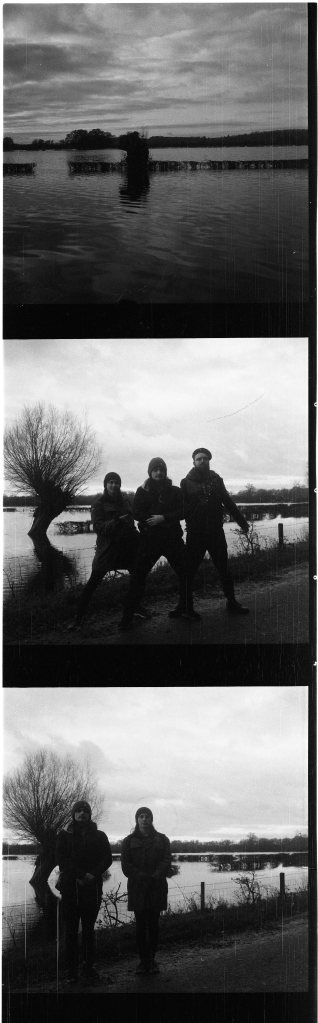
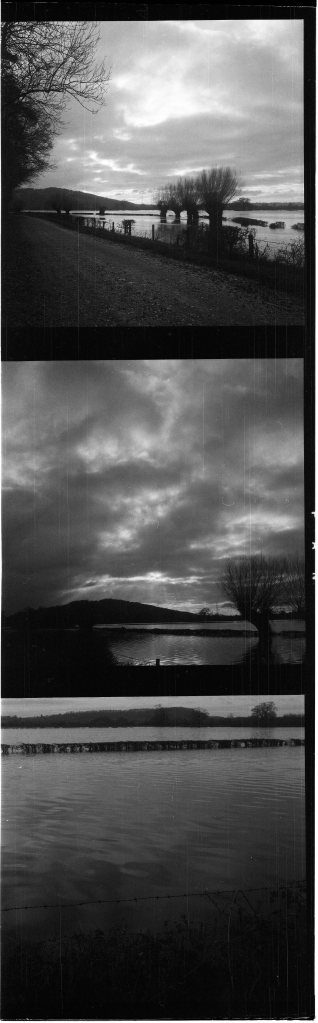
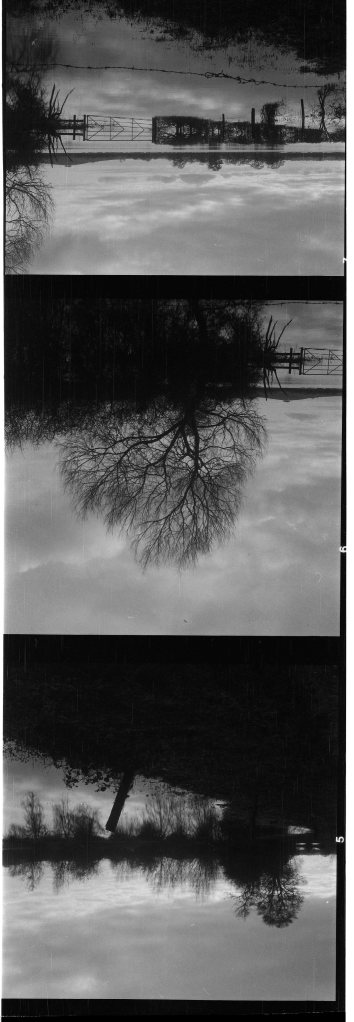
It was a very crisp and clear day and the golden hour was soon approaching, deciding we couldn’t wait any longer for the train to depart, we left and headed out to some floodplains that would be sure to be flooded with the recent rain. I was using my Minolta Autocord 6×6 TLR and had loaded it with some FOMA Retropan. My thoughts now shifted from gathering harsh metallic textures in the depot to experimenting with tones and capturing atmospheres instead.

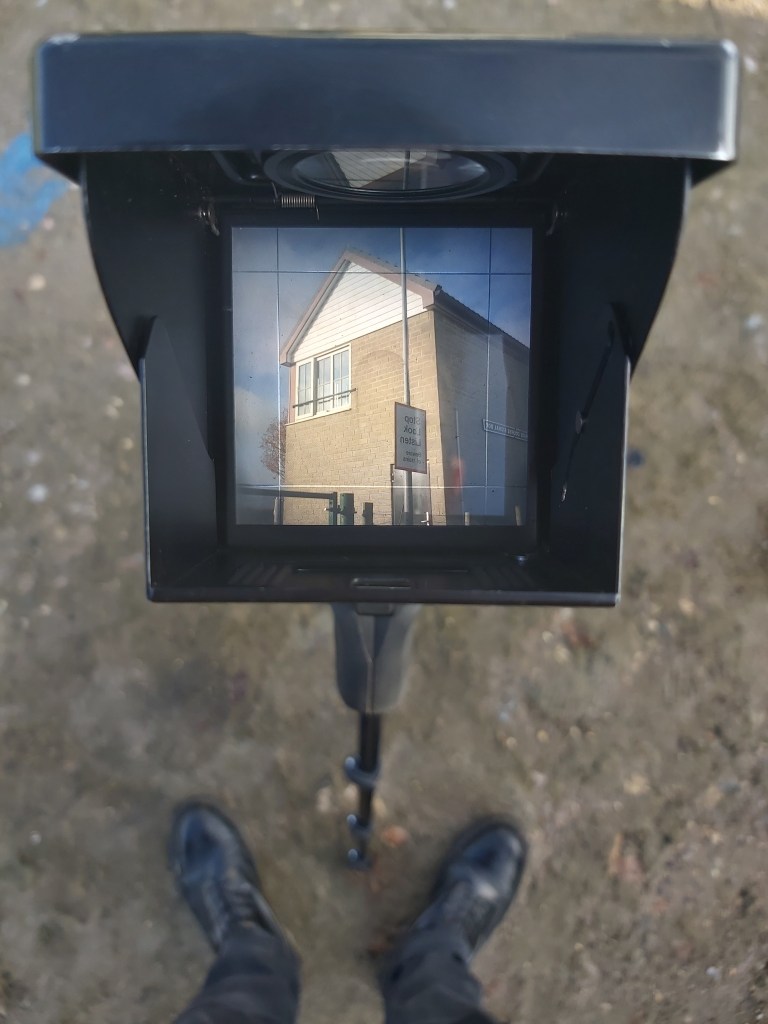
Using the Autocord was as fun and easy as ever, with its bright, open, waist level viewfinder and simple controls, having it mounted on a tripod made this even easier and allowed me time to compose and really focus in on my shots when taking them.

Unfortunately I think that there might be something inside the Autocord that is scratching and marking the film on its way through the camera as everything I’ve shot with it has comeback with strong, white lines down the right hand side of the images. However as mentioned in my post about the Retropan 320 film, I planned to use this to my advantage and let the film strips get scratched up, damaged and weathered to create images with a strong vintage vibe to complement the equipment and the nature of the film emulsion.

Once sufficiently roughed up and ‘vintaged’, I scanned the negatives in and processed them to bring out the dramatic tones and skies in the shots, the added weathering really enhanced the images and created very broody, melancholic and atmospheric images as I had hoped they would.

Artist Research, John Smith, The Black Tower

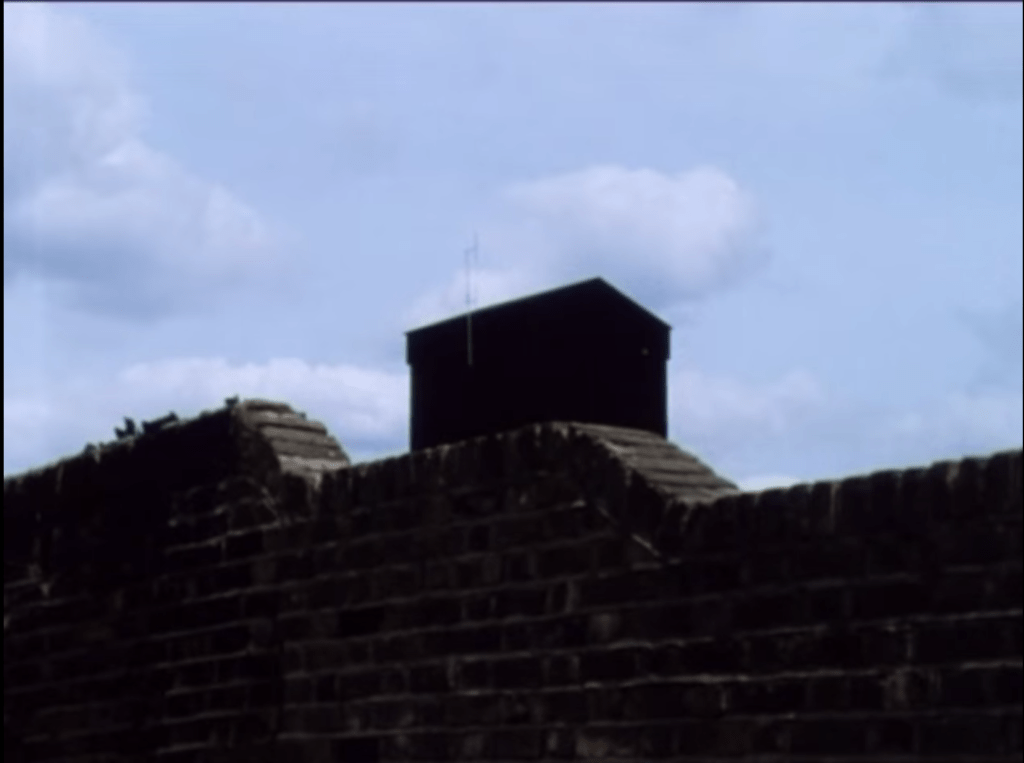
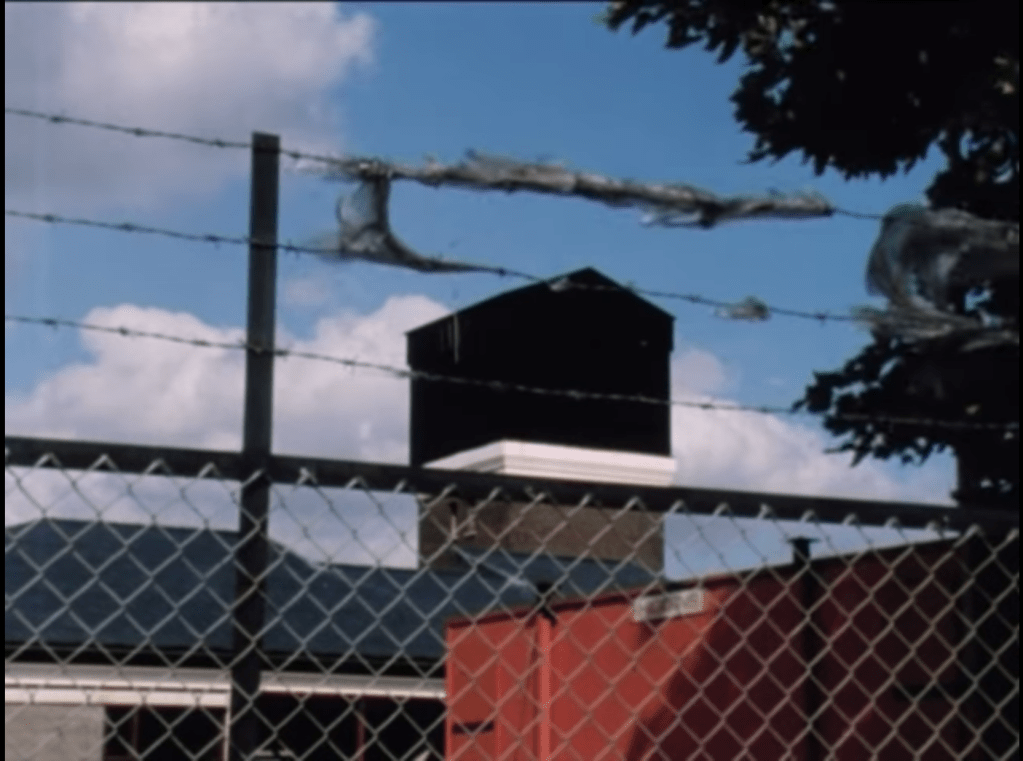
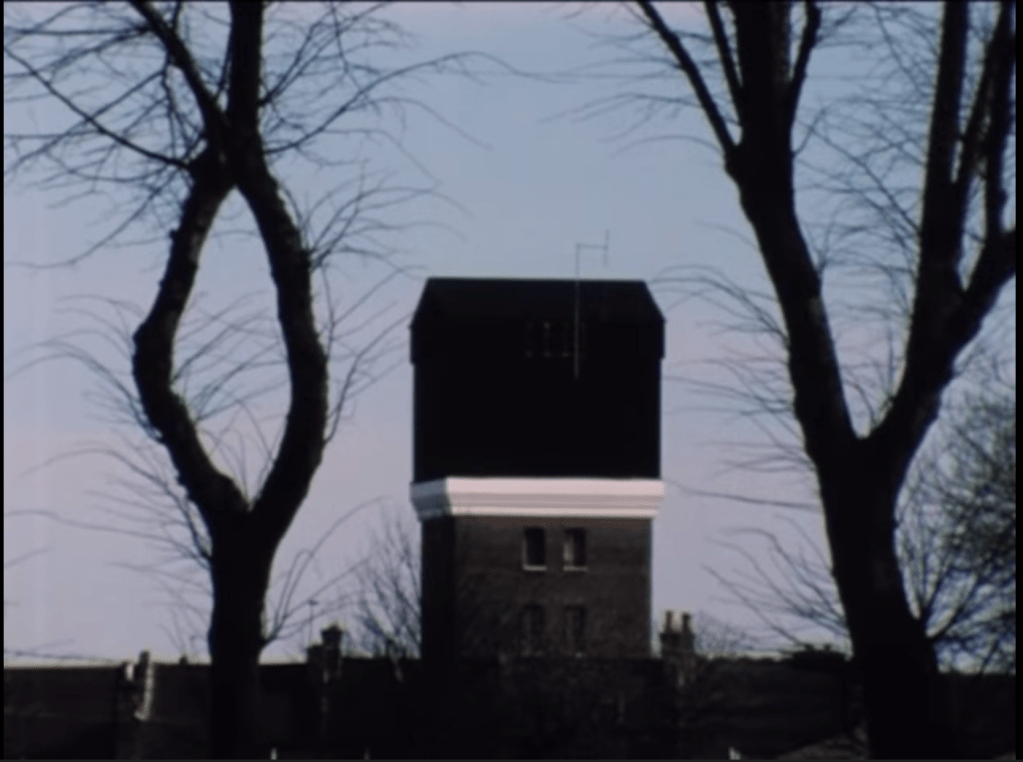
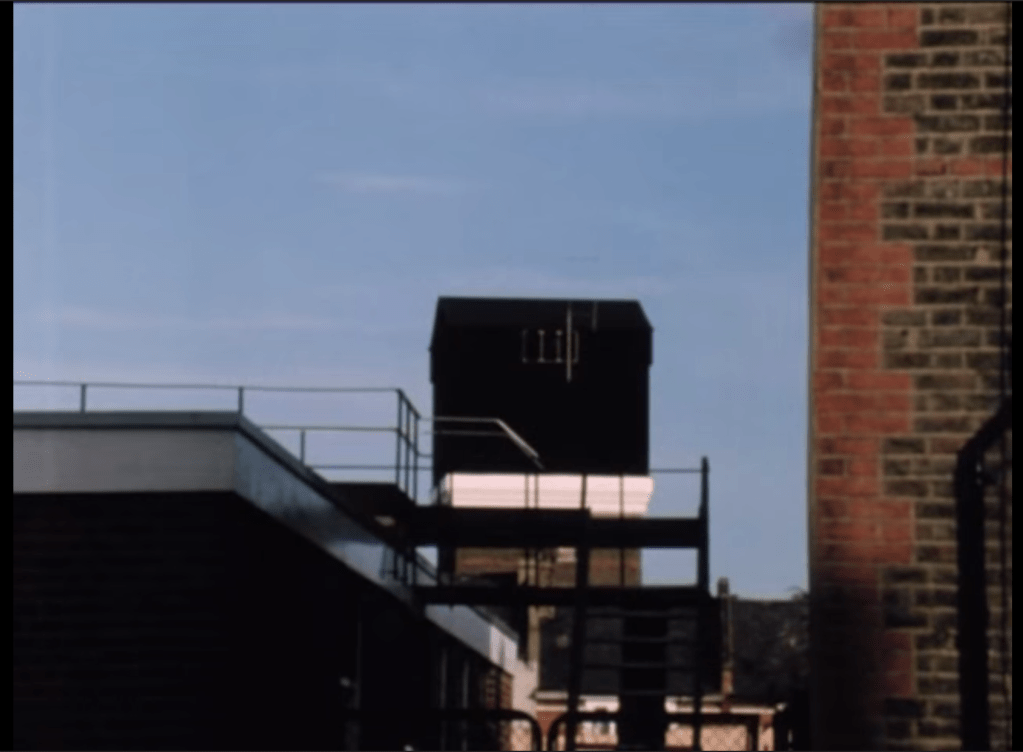
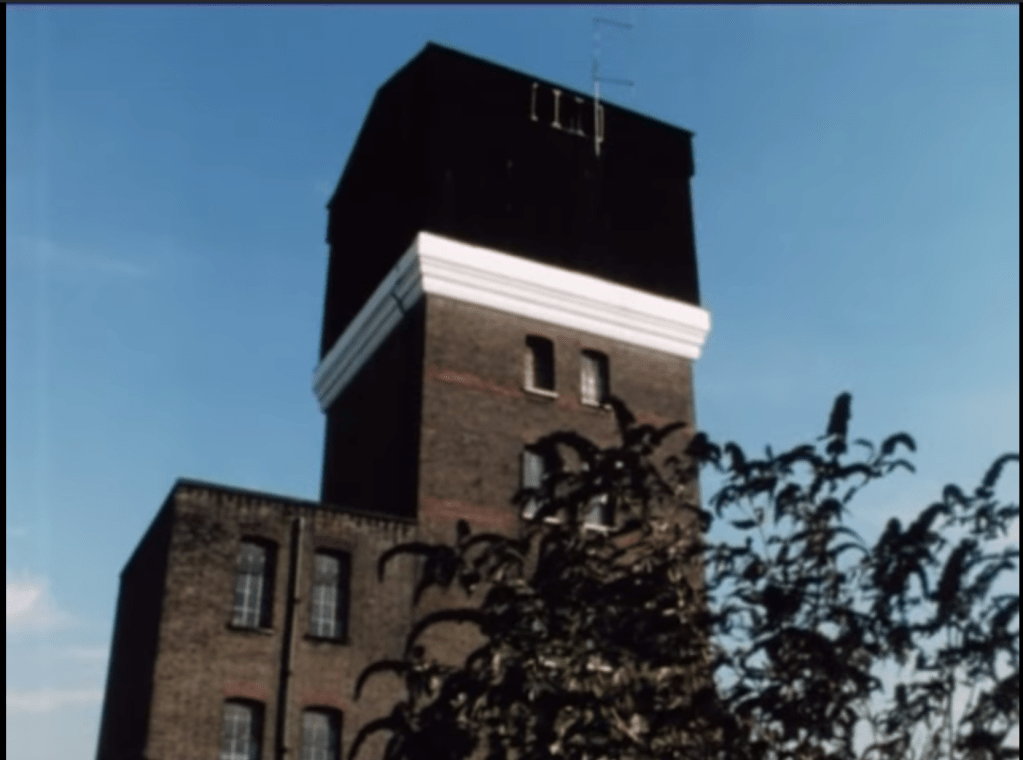
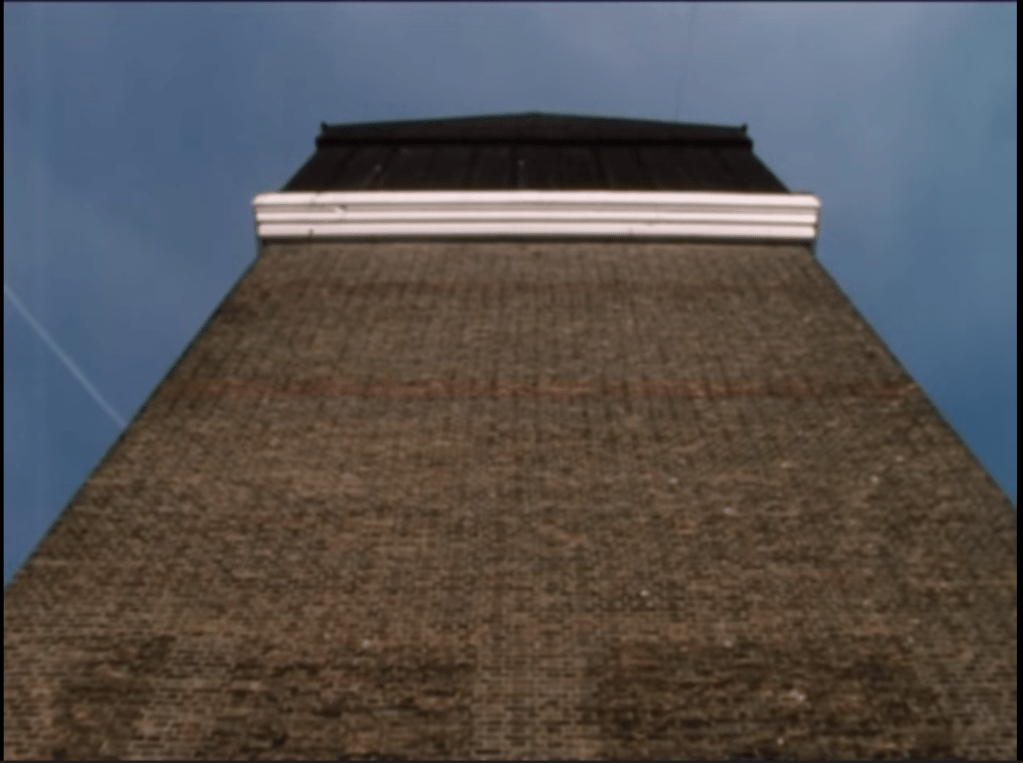
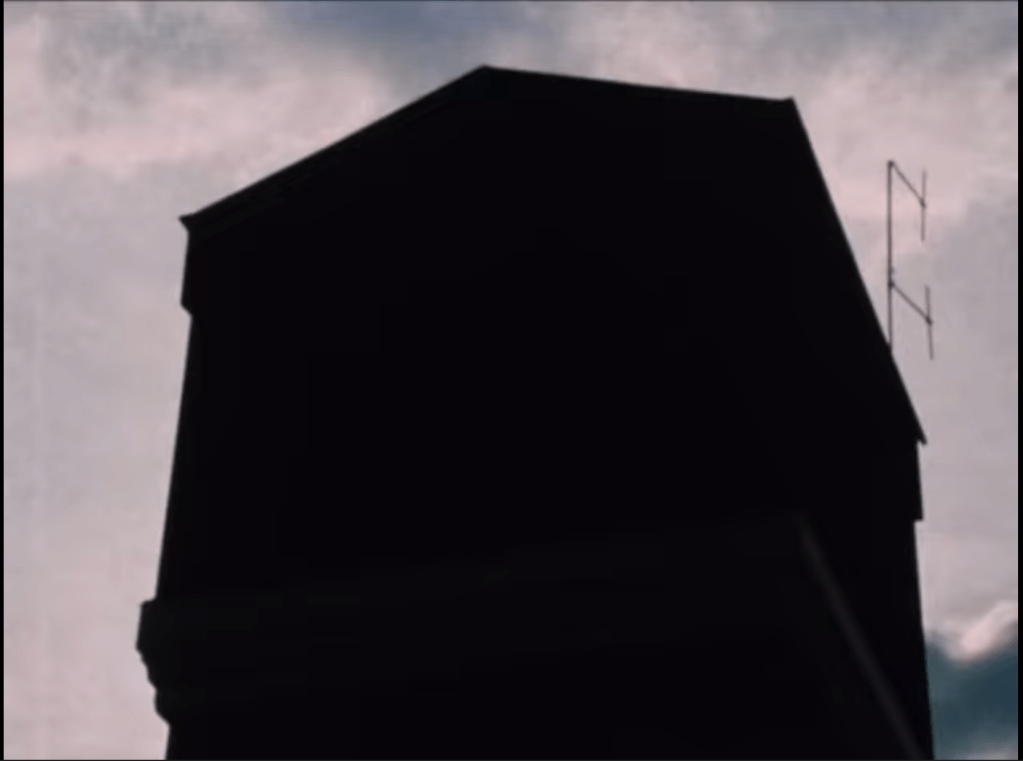
The Black Tower (1987) by British experimental filmmaker John Smith, is a short film (<23 mins) following the spoken word story of an unnamed man who notices a tower with a black top on his morning walk. following this encounter the man begins to think more and more about the tower, he then starts noticing the tower from other directions and in different areas of London. The man then begins to obsess with the tower, namely over what it is. He tries to ask others around him about the tower only to receive vacant stares and no answers. The tower begins to manifest itself within the mans mind and he shuts himself away to avoid encountering the tower, this leads to the man becoming ill and he is admitted to hospital, within the grounds of which lies a black tower. After leaving the capitol for some recovery in the countryside, he begins to see the tower once again, this time he confronts the tower, getting up close to it and even finding a door into the tower. The man enters the tower at which point the narration changes to a woman’s voice and the narrative switches to her perspective about the first time she encountered the tower, after tending the man’s grave.

The parallels within this film to my own deep rooted fascination with brutalist structures and towers meant this text was extremely interesting to me and my project. The idea of these large buildings having such a strong and profound effect on their beholders to the point where they manifest themselves as sentient beings, surrounding our lives, passively staring out, waiting to be acknowledged. The way the towers present themselves, tall, silent, commanding. This film is a very good visual representation of the power and atmosphere that I am working to capturing in my photos, to imbue that sense of form, that sense of becoming that radiates from these constructions at such strength that it can become all encompassing.

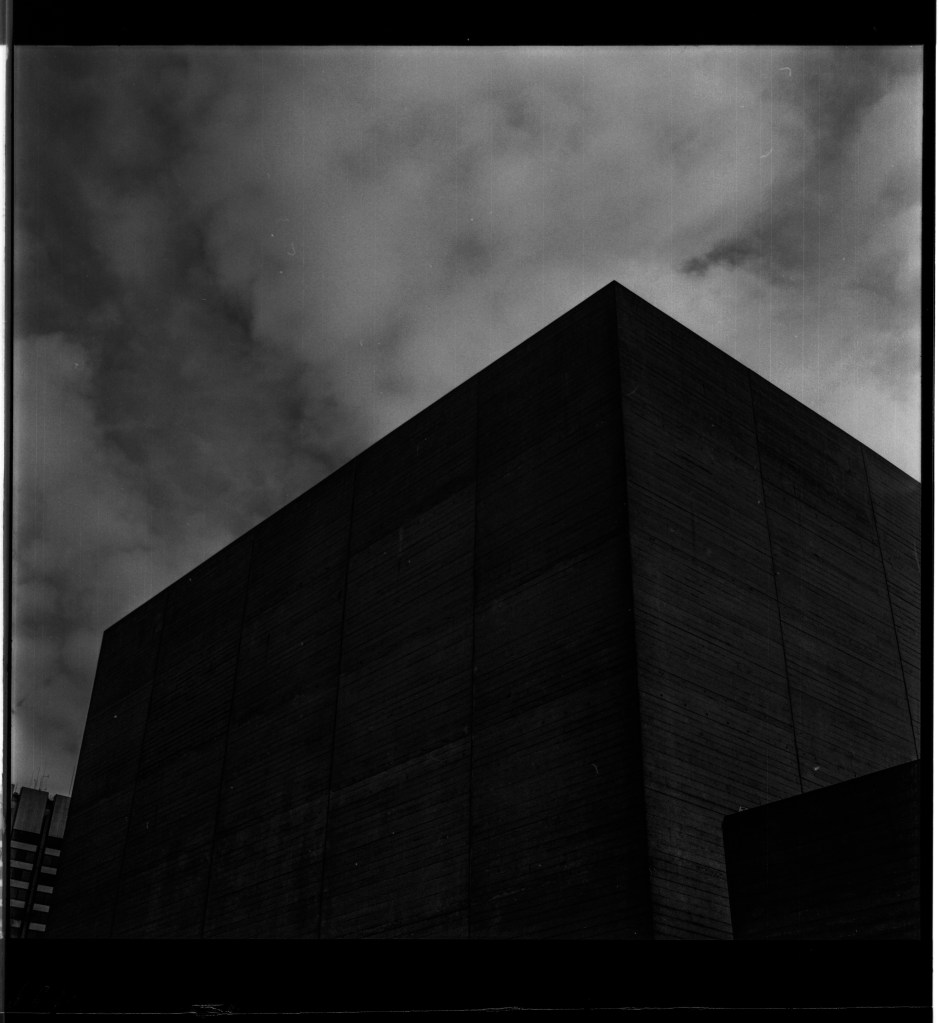
I felt these very same feelings on a shoot in London, I came across a large, concrete cube sitting within the site of the National Theatre. It was very large and perfectly cubed, with no windows, no vents, nothing. Just concrete. The sense of power and ambience was palpable, merely standing before the cube you could feel something radiating from it, unknown and unbending in its will to dominate.

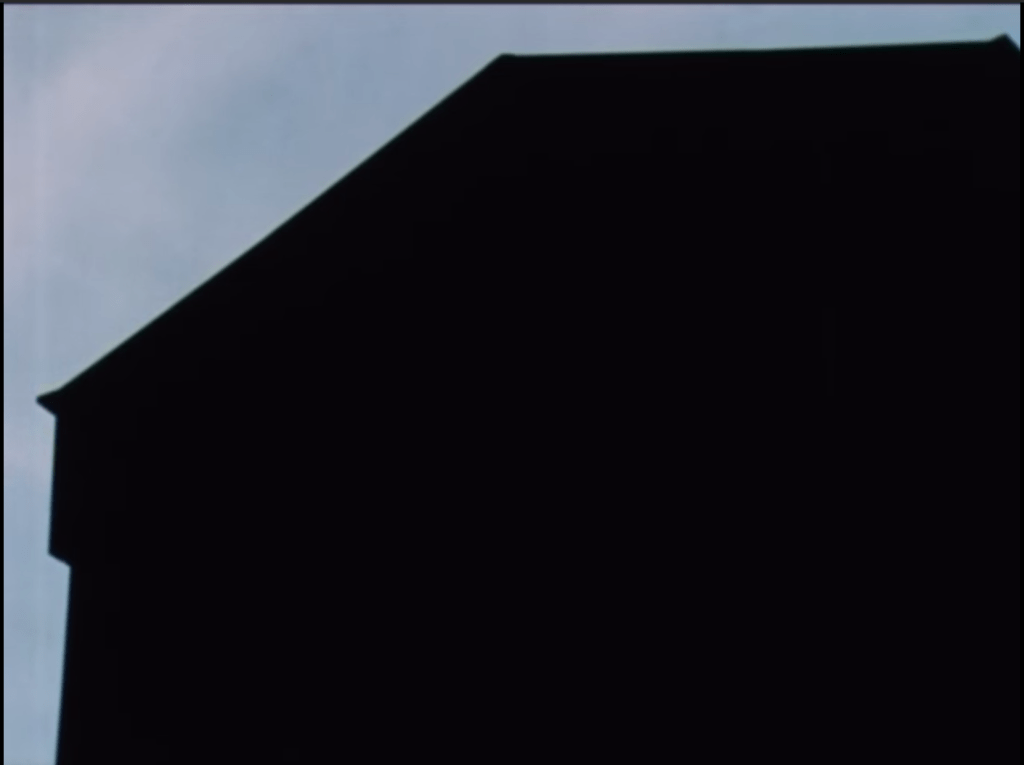
This was something I knew had to be captured and whilst not immediately visible on the negative, with some post-production corrections, I was able to create my own Black Tower atmosphere, a strong, solid black shape cutting into the swirling iron sky, a void that stares back at you with unrelenting imperiousnes. The Black Cube

The Black Cube

Dev Blog, FOMA Retropan 320 soft

Following my London shoot where I was using FOMA 100 classic, a very sharp and finely grained emulsion, I wanted to experiment with using something different to the regular film stocks I had been using like HP5+, Fuji C200 and Kodak Ultramax 400.

I did some research and eventually came upon another release from Czech film manufacturer, FOMA. This release is a 320 speed, soft emulsion film, giving contour sharpness over finer, point sharpness. This was something that appealed to me, as using vintage cameras for my work, I wanted to use a film that might hark to the retro nature of the cameras and produce images that could reflect the age of the cameras.

The film is fairly unforgiving in terms of exposure latitude meaning metering must be used to determine a correct exposure, the actual celluloid itself is very thick, almost twice as thick as other medium format films I have used thus far, this became difficult to work with when loading into the dev tanks. FOMA recommend that a unique developer, sold by them, is used to develop Retropan 320, however this wouldn’t have been a viable option for myself and so I decided to use the XTOL stocks that are available at the University labs. This yielded results, as seen above. The negatives came out with a slight off purplish tone but one that was not within reasonable levels for a black and white film and did not show up when scanned in.

As for the tonal qualities of the film, it delivers wonderfully soft and rich grayscale tones that create lush, and definitely ‘retro’ style images. Unfortunately my camera has scratched the film on its way through the camera, creating some heavy lines through the images, however I will use this to my advantage and allow the film to become more weathered to enhance the vintage nature of the shots that I’m going for in using this film emulsion.

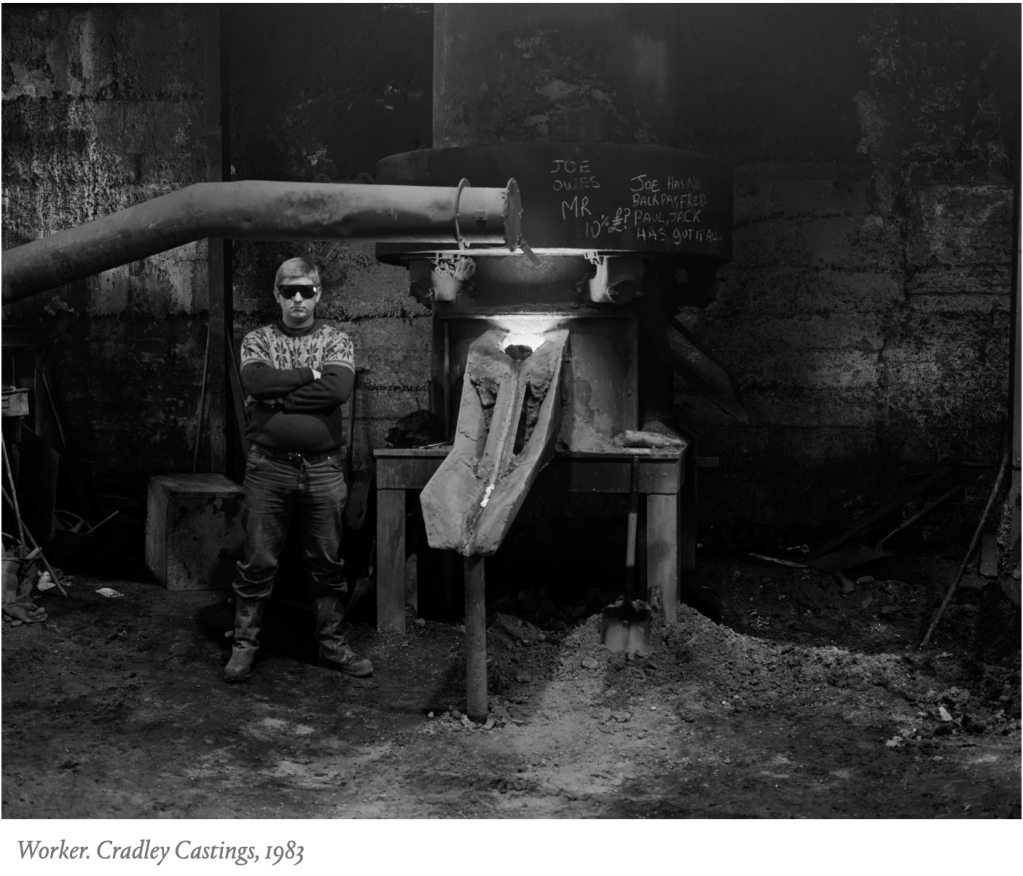
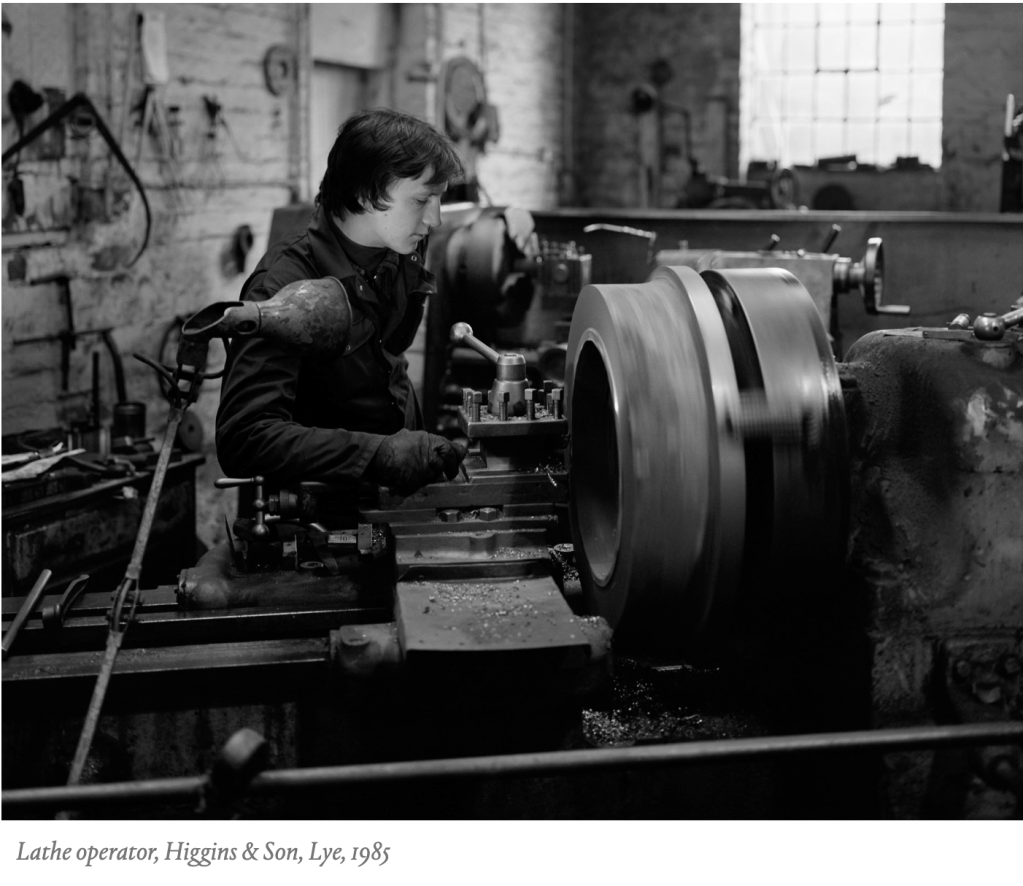
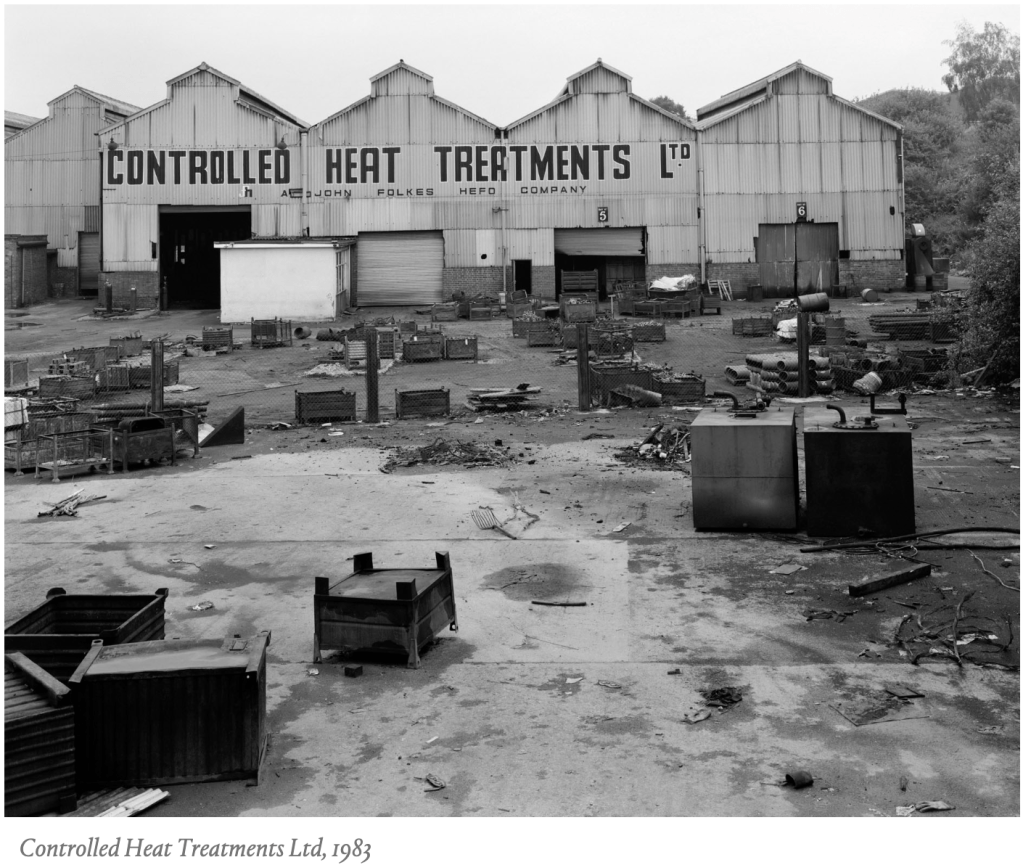
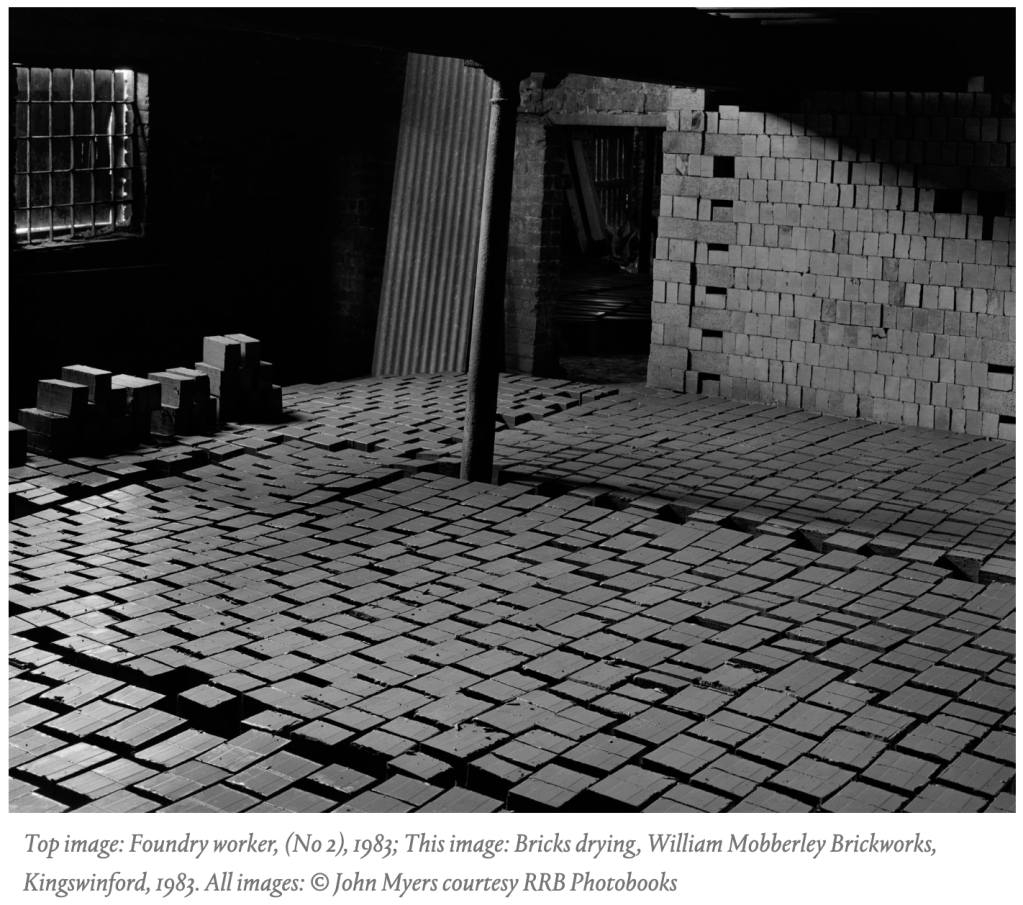
Artist Research, John Myers – The End of Industry

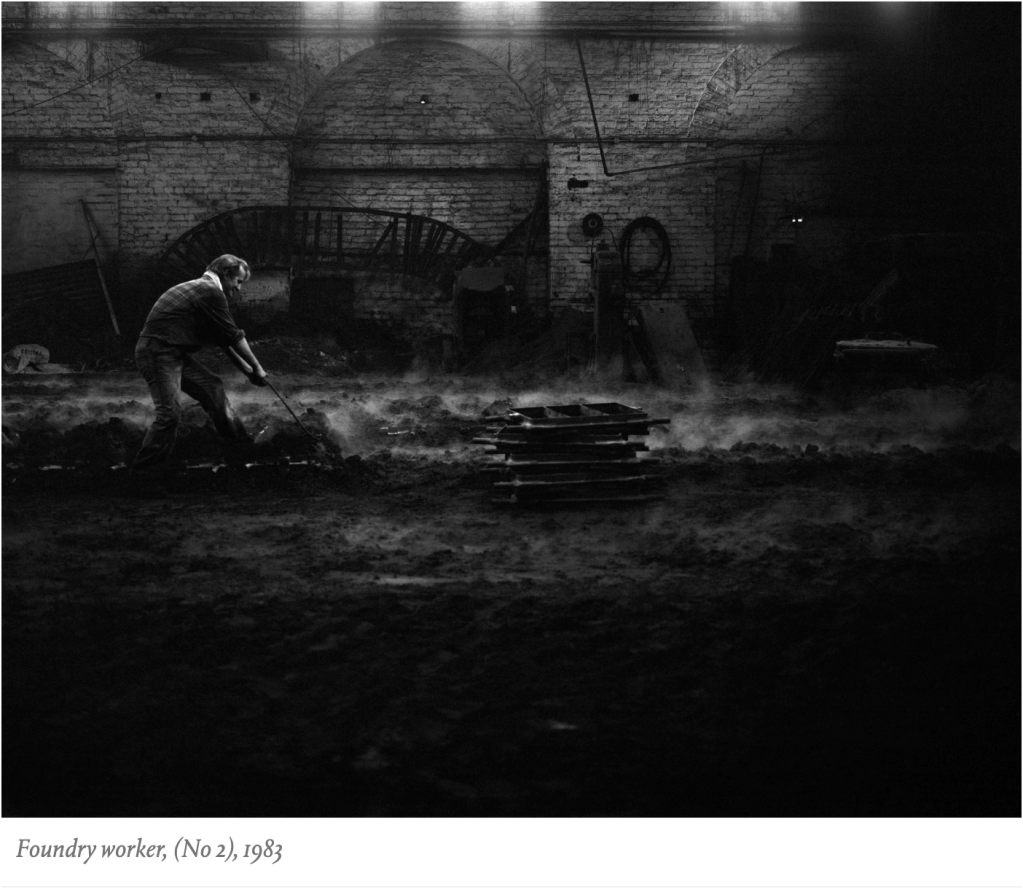
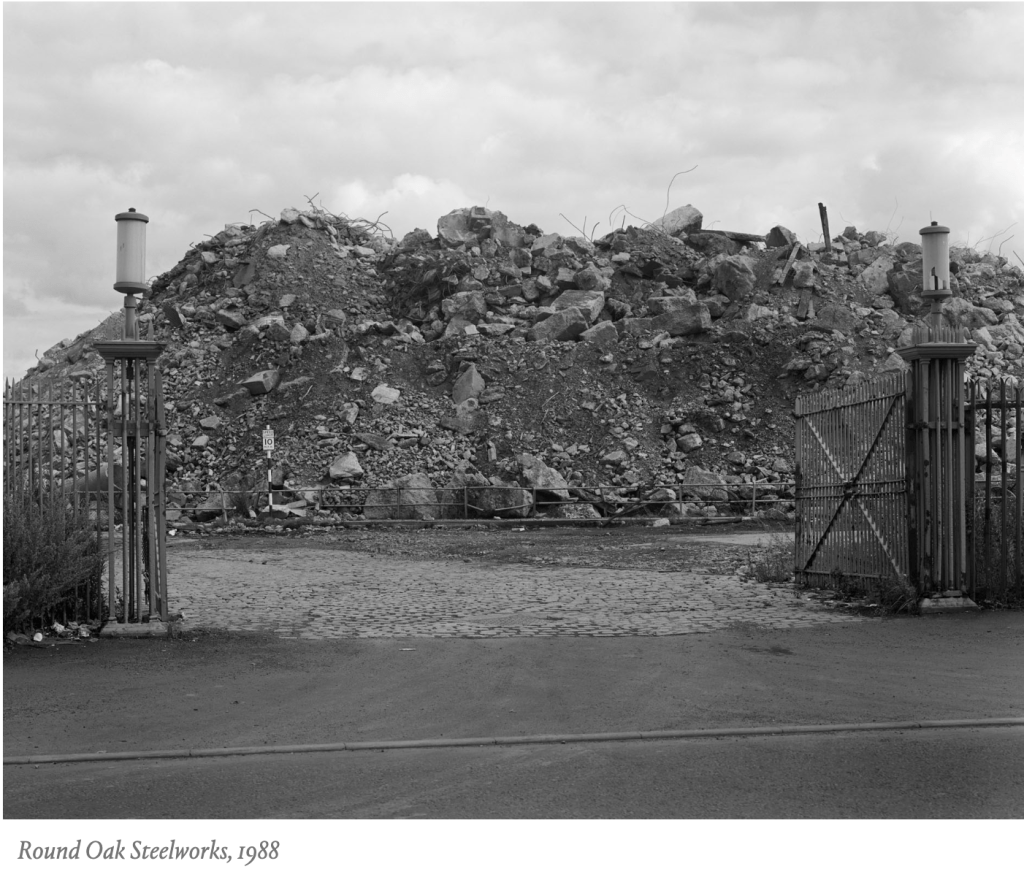
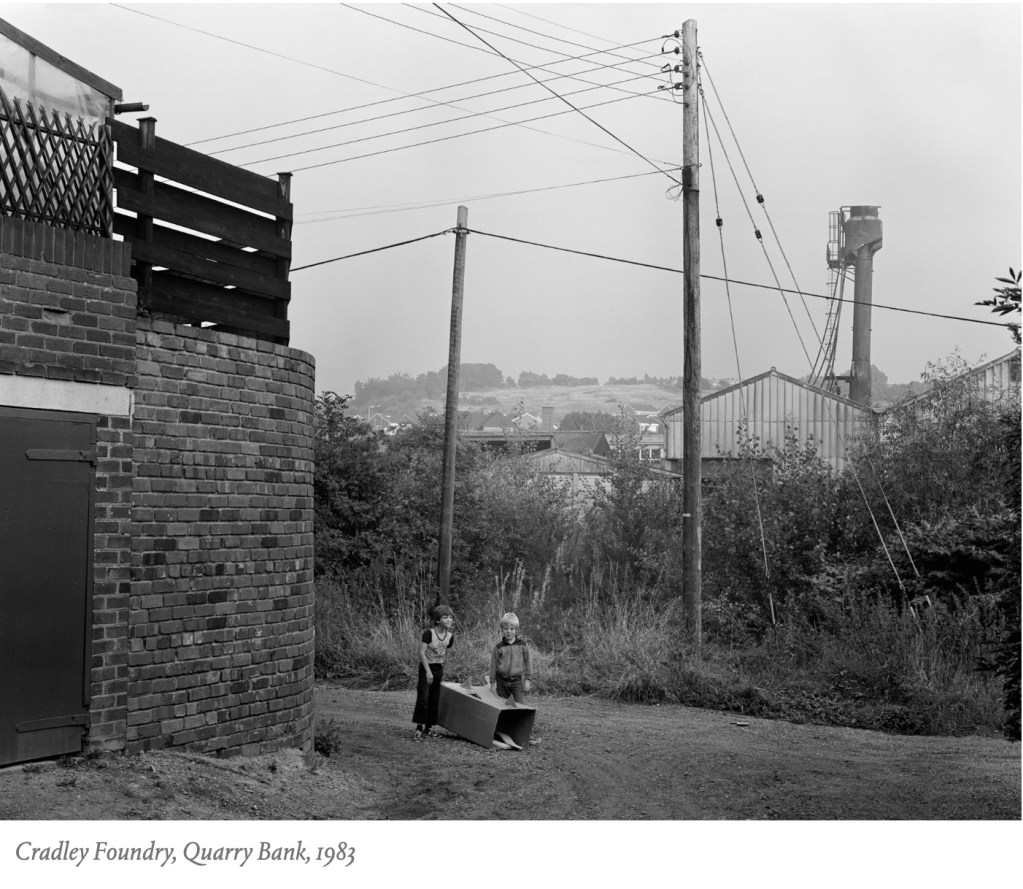
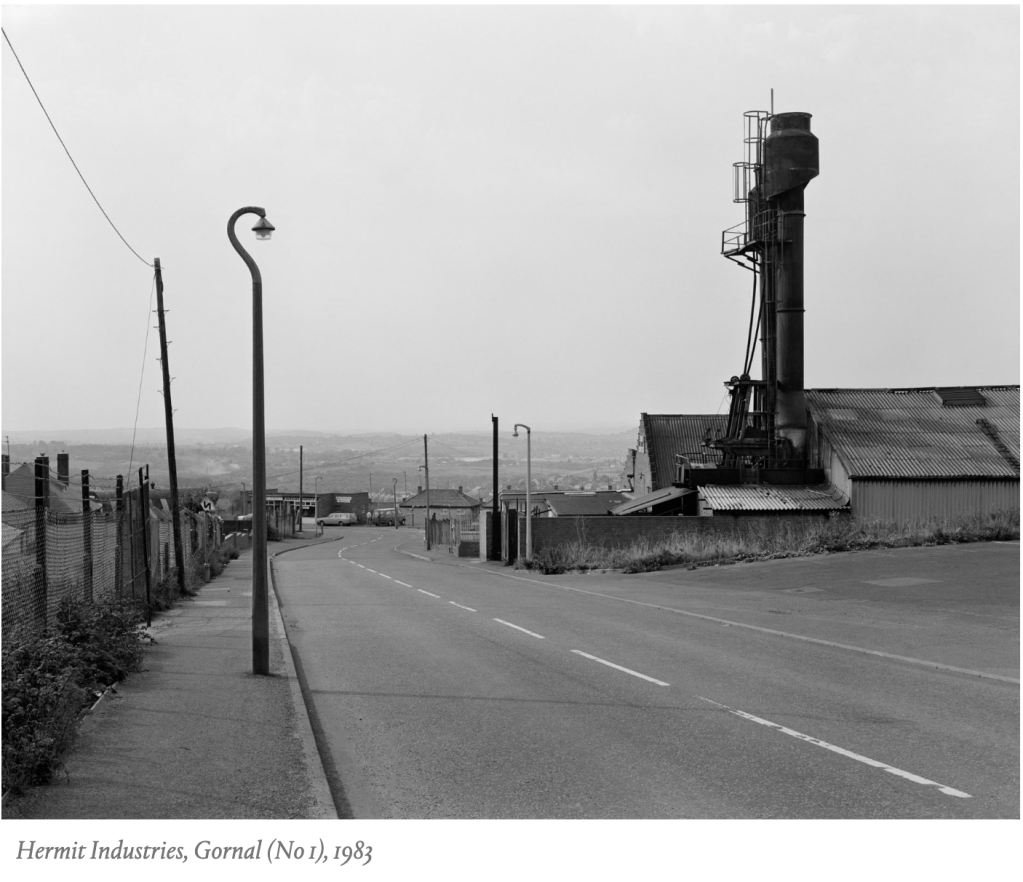
These photographs from English Photographer and Artist, John Myers taken from his latest book entitled ‘The End of Industry’ offer a unique insight into the atmosphere and form of industrial areas in the North of England at the time of the dynamic, economic societal and physical change from coal fired, steel and iron, heavy industry to warehouses and tarmac, commerce and retail. A change that many still believe damaged the core aspect of community in working class towns and cities in the North.

I’ve been drawn to these images through Myers’ use of tone and form, from the way he uses strong tonal black and white to create stark images that immediately create a sense of longing, bleakness and an ending. The shapes captured within these shots further embolden the industrial might that the scenes themselves depict, even in their twilight years at the time of capture.

From studying these works I plan to adopt a similar method of capturing forms in such stark tones whilst retaining a sense of identity and significance that the subjects I intend to shoot command with their imposing facades.

Shoot Report, London’s Southbank

For my first planned shoot for the Brutalist, Industrial Aesthetics project, I planned to photograph and capture both the physical buildings and structures that can be found along the southbank area of Central London, and the essence or form that these constructions imbue upon their beholders.

The buildings I intended to capture were the National Theatre, Tate Modern and the civil engineering and architecture that surrounds these places, also built in a style of brutalist modernism.

The location of these buildings are upon the cultural landmark of London’s Southbank, a blistering hotbed of contemporary arts, music and culture. Seeing and experiencing these concrete giants in a style synonymous with a decade long past seemed to almost juxtapose their current modus operandi in a way that was not unwelcome, if anything the union of these two different ethos’s seemed like a symbiotic relationship that allowed the other to continue, the modern culture creating a need for the unpopular, brutal buildings to remain in service past their intended lifecycle, and the strong, stable, secure environment like the Tate Modern’s Turbine Hall, a space that allows arts to flourish and thrive whilst being protected both physically and psychologically by the fortress that is the former power station’s imposing structure.

Design a site like this with WordPress.com
Get started